Dog Scent Sports
Scentwork, mantrailing and tracking for beginners
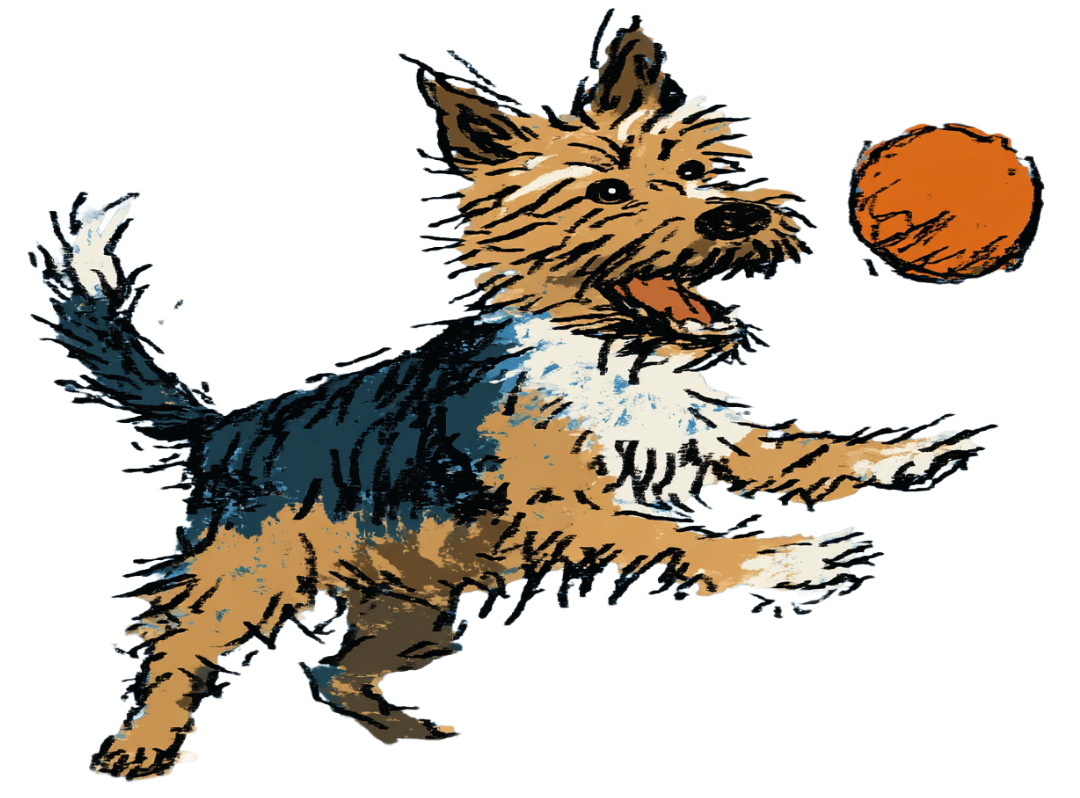
Scent training is one of the most rewarding things you can do with a dog. It uses a natural behaviour, it is mentally tiring without being physically punishing, and it builds confidence through clear, repeatable success. That makes it ideal for older dogs, dogs recovering from injury, nervous dogs, and any dog that needs to burn mental energy. This guide covers three disciplines that people often mix up — scentwork, mantrailing and tracking — and the golden rules that make training clear, fair and fast.
Key Benefits
- Mentally tiring without physical strain
- Builds confidence through repeatable success
- Perfect for older, recovering or reactive dogs
- Uses a natural, instinctive behaviour
- Can be started at home in two-minute sessions
The Three Scent Sports Explained
Scent sports overlap, but they are not the same game, and understanding the differences early makes your training clearer and faster. In scentwork, your dog searches an area for a specific target odour and indicates the source. This is the easiest starting point because you can train at home, alone, in two-minute sessions. It scales beautifully from a treat in a cardboard box all the way up to competitive searches for specific essential-oil odours.
In mantrailing, your dog follows the scent of a specific person to locate them. The dog works on a long line, pulling into a harness, and it is a high-motivation activity that is usually learned with an instructor for safety in public spaces. Dogs adore it because finding a hidden person is intensely rewarding, and the found person delivers the reward at the end of the trail.
Tracking is the third discipline: your dog follows a ground track, often footstep-to-footstep, and may indicate articles dropped along the way. It is calmer and more methodical than mantrailing, and highly sensitive to terrain and weather conditions. All three share a foundation: the dog is the expert, and our job is to read their communication rather than direct their nose.
The Three Golden Rules
Almost every scent-training problem comes back to one of three principles. Rule one: keep sessions short. Two to five minutes is plenty. Always stop while your dog is still keen, because long sessions create stress, sloppy searching and guessing. It is far better to do three tiny sessions in a day than one long one.
Rule two: get your reward timing and location right. In scentwork, pay at the odour source — this teaches the dog that the source is what matters, not returning to you. In mantrailing, the found person delivers the reward. In tracking, reward at the track itself and at any articles found. Where and when you reward literally shapes what your dog learns to value.
Rule three: change only one thing at a time. Only increase one difficulty lever per session — distance, distraction, height, or surface. Move one, not five. If you make a search harder in several ways at once and your dog struggles, you will not know which change caused the problem. Slow, single-variable progression is the fastest route to a confident, reliable searching dog.
How Scent Behaves (and Why It Matters)
To train scent work well, it helps to understand that scent particles move like smoke. They drift, pool and swirl. Wind pushes them sideways, walls bounce them, and heat lifts them upward. This is why a dog will often appear to "overshoot" the hidden target and then loop back — they are not being careless, they are gathering information and working their way toward the strongest concentration of odour.
Once you understand this, your dog's behaviour starts to make sense. A dog casting back and forth across a breeze is reading a scent cone. A dog suddenly lifting its head is catching odour that heat has carried upward. A dog circling a piece of furniture is working out where a pooling scent is actually coming from. The more you learn to read these patterns, the better you become at setting fair searches and trusting your dog.
The practical lesson is to respect the conditions. Wind, temperature and surface all change how scent behaves on any given day, which is why the same hide can feel easy one morning and hard the next. Rather than fighting this, use it: set easy hides on difficult days, and save your more challenging setups for calm, cool conditions when scent behaves predictably.
Scentwork at Home: The Box Game
Scentwork is the perfect place to begin because you can do it in your kitchen. Start with food-based searches to build persistence and drive. Place a treat in one open cardboard box and let your dog find it. When they are confident, add a second, empty box so they have to choose. When they reliably find the right one, add a one-second delay before you mark and pay, which begins to shape a calm "stay at source" indication rather than a frantic grab.
From there you can gradually add boxes, spread them further apart, raise some off the ground, and eventually move from food to a specific target odour on a cotton bud, paying with food delivered right at the source. Keep the golden rules in mind throughout — short sessions, reward at source, one change at a time.
Two common problems have simple fixes. If your dog keeps running back to you for payment instead of staying at the find, you have accidentally taught "return for pay" — go back to paying right at the source every time. If your dog starts guessing, wildly indicating boxes at random, you have made things too hard too fast; go back to easier, obvious hides to rebuild clarity and confidence before progressing again.
Mantrailing and Tracking
Mantrailing uses a specific scent article from a hidden person, and the dog follows that individual's trail to find them. Before joining a group, you can build the foundation at home with "hide and reward" games — have a family member hide behind a door or garden feature and let your dog find them, celebrating wildly when they do. This builds the motivation to find people that mantrailing depends on. When you do train for real, use a consistent start routine every time: harness on, line attached, article presented, cue given. Avoid steering your dog; your job is to follow their leads and manage the long line safely, not to direct the search.
Tracking is more methodical. Begin with "food in footsteps" on short grass: walk a straight line, placing a treat in every single footprint. This teaches the dog that a slow, nose-down approach is what pays. As the dog understands the game, you gradually increase the distance between treats and introduce articles (small objects) onto the track for the dog to find and indicate.
If your dog rushes or lifts its head during tracking, the fix is to increase the food density again and simplify the track — shorten it and put treats closer together — until the calm, careful nose-down behaviour returns. As with all scent work, if the dog is confused, simplify; if the dog is excited but messy, reduce arousal and pay faster at the source.
Finding Classes in the UK and Staying Safe
While scentwork can be started at home, mantrailing and tracking are best learned with an instructor, both for your dog's progress and for safety in public spaces. To find classes near you, search for terms like "scentwork class", "mantrailing UK", or "Working Trials club" plus your area. Reliable organisations include Mantrailing UK, Scentwork UK, and local Kennel Club Working Trials clubs.
Choose your trainer carefully. There are some clear red flags to avoid. Steer clear of any trainer who uses corrections or punishment for "wrong" sniffs — scent sports work precisely because they let the dog make and correct its own decisions, and punishing a search destroys the confidence the whole activity is built on. Also avoid instructors who work in busy public areas without a proper safety briefing, particularly for mantrailing where line management and public safety are important.
The beauty of scent sports is that they respect the dog's nature. There is no jumping, no impact and no need for a young or athletic dog, which makes them accessible to almost every dog — including seniors, dogs on restricted exercise, and anxious dogs who find other activities overwhelming. Keep it fair, keep it short, and trust what your dog tells you, and you will have a hobby that keeps both of you engaged for a lifetime.
Quick Facts
Fitness Level
Low — mental workout
Best For
All ages, incl. seniors & recovery
Where to Start
At home with scentwork
Session Length
2–5 minutes
Frequently Asked Questions
Q.Is scent work suitable for old or injured dogs?
Yes — it is one of the best activities for seniors, dogs recovering from injury, and dogs on restricted exercise. It tires the mind without stressing the body, and scentwork in particular can be done gently at home in two-minute sessions.
Q.What is the difference between scentwork, mantrailing and tracking?
Scentwork is searching an area for a target odour (easiest to start at home). Mantrailing is following a specific person's scent on a long line. Tracking is following a ground trail footstep-to-footstep, calmer and more methodical.
Q.How do I start scent work at home?
Play the box game: hide a treat in one open cardboard box, let your dog find it, then add an empty second box to make them choose. Keep sessions to two to five minutes and always reward right at the source.
Q.How long should scent training sessions be?
Two to five minutes is plenty. Stop while your dog is still keen. Several tiny sessions beat one long one — long sessions create stress, sloppy searching and guessing.
Q.Can I do mantrailing without a class?
You can build the foundation at home with hide-and-reward games, but mantrailing itself is best learned with an instructor for line management and public safety. Avoid any trainer who punishes "wrong" sniffs or skips safety briefings.
Get the Complete Guide
Free PDF with everything you need to get started
We respect your privacy. Unsubscribe anytime.