Wild Swimming with Your Dog
Find the water, read the signs, go in together
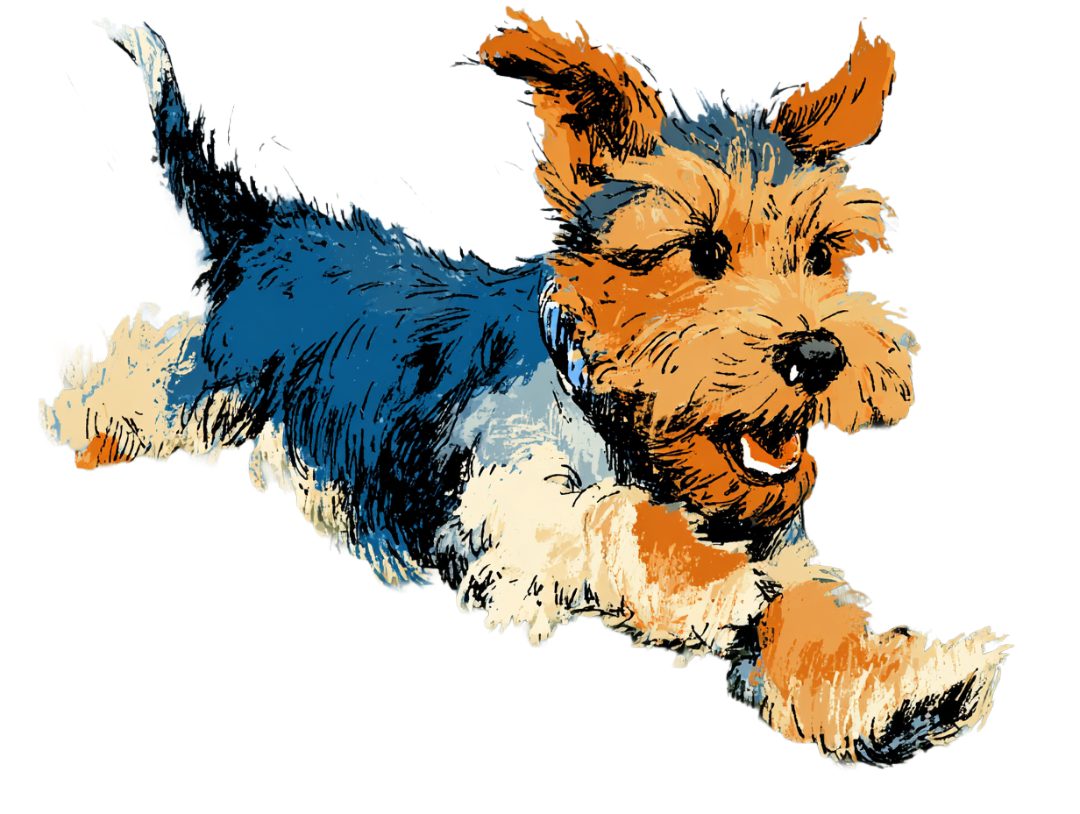
There is something genuinely joyful about watching your dog swim — ears back, tail streaming, paddling with pure purpose. Wild swimming takes that joy and sets it against some of the most beautiful landscapes the UK has to offer. Lakes, rivers, sheltered coastline — it is low-impact fitness that is gentle on joints but powerful for the heart. But wild swimming is not without risk. Currents, cold water, algae and access restrictions all need to be understood before you get in, and this guide covers everything you need to swim safely together.
Key Benefits
- Low-impact, full-body workout for dogs with joint issues
- Excellent cardiovascular conditioning
- Natural cooling on hot days
- Builds water confidence and rescue skills
- Stunning UK locations to explore
Is Your Dog a Swimmer?
Some dogs take to water instinctively. Labradors, Spaniels, Portuguese Water Dogs and Irish Water Spaniels were literally bred for it. Others are cautious, and a small number actively dislike water. Never force a dog into water — a dog that is dragged or thrown in may develop a lasting fear of swimming that is very difficult to undo. If your dog has never swum before, introduce them gradually: start with shallow, calm water such as a gentle river bank or shallow lake edge, and let them wade in at their own pace, rewarding any engagement with praise and treats.
Breed matters for safety. Retrievers, Spaniels and Water Dogs are excellent, high-drive swimmers. Herding and working breeds are generally capable. Brachycephalic breeds such as Bulldogs and Pugs are poor swimmers with a serious drowning risk because of their compromised airways — a life jacket is essential. Deep-chested breeds like Greyhounds and Dobermanns have low body fat, chill quickly and tire faster in water. Very small breeds can swim but tire quickly, so a life jacket is strongly recommended.
Age and health are important too. Puppies under six months should not be taken into open water — they tire quickly, chill fast, and have no immunity to waterborne pathogens. Older dogs can swim well into their senior years but should be monitored closely for fatigue, and any dog with a heart condition, respiratory problem or recent surgery should be cleared by a vet before swimming.
Finding Safe Locations
The ideal wild swimming location for a dog has calm or slow-moving water, a gentle entry and exit point, good visibility of the water so you can see hazards, no blue-green algae warnings, and legal access. Lakes and tarns are excellent but watch for algae, cold thermoclines and hidden drop-offs. Slow rivers are good, but currents are stronger than they appear and there may be submerged debris. Fast rivers are poor and dangerous because of strong currents, weirs and entrapment hazards. Sheltered sea bays are good, but mind the tides, rip currents, jellyfish and saltwater ingestion.
Access law is important to understand. In England and Wales there is no general right to swim in rivers or lakes — access depends on the landowner's permission or specific local bylaws. Many rivers and lakes have long-established informal access, but this is not a legal right. Scotland's Land Reform Act gives much wider access to water. The Wild Swim Map and the Outdoor Swimming Society are excellent resources for finding legal, well-regarded spots across the UK.
Before every visit, check for blue-green algae. This is one of the most serious hazards for swimming dogs — the toxins it produces can cause liver failure and death within hours of ingestion. It is most common in warm, still water during summer and early autumn, and often looks like green paint, foam, or pea-soup scum on the surface. Check the Environment Agency's Swimfo website and your local water authority. If there is any doubt, do not enter the water and do not let your dog in either. There is no safe level of exposure.
Essential Kit: The Life Jacket and More
A life jacket is the single most important piece of kit for wild swimming with a dog. Even strong swimmers can get into difficulty — fatigue, cold water shock, unexpected currents, or a moment of panic can overwhelm any dog. A life jacket keeps them buoyant, makes them visible, and crucially gives you a handle to grab if you need to pull them out quickly. Look for a jacket with a handle on the back, a bright colour for visibility, a D-ring for a line, and a snug but not restrictive fit that does not ride up over the head. The Ruffwear Float Coat is the industry standard, with good options also from Non-stop Dogwear, EzyDog and Hurtta.
Beyond the life jacket, always carry fresh water and a collapsible bowl to rinse your dog's mouth after swimming and to stop them drinking the swim water. An absorbent microfibre towel dries faster than cotton, and a dog coat or fleece for after the swim is important in cooler weather. A tick remover is essential because waterside vegetation is prime tick habitat, and of course carry poo bags and a basic first aid kit.
Your own tow float is a sensible addition — it makes you visible to boats and other water users, and gives you something buoyant to hold if you get tired helping your dog. Attach a poo bag dispenser to your kit bag so you always have bags to hand.
Water Hazards and Safety
Cold water is the most underestimated hazard in wild swimming. Water below 15°C causes cold water shock — an involuntary gasp reflex that can cause inhalation of water and, in severe cases, cardiac arrest. Dogs are not immune to this. Acclimatise gradually: wade in slowly, let your dog enter at their own pace, and never allow a cold plunge from a height. Hypothermia is a real risk in UK waters, particularly in spring and autumn; signs include shivering, lethargy, muscle stiffness and pale gums.
River currents are consistently stronger than they appear from the bank, and even a gentle-looking river can have powerful undertows after rain. Weirs are extremely dangerous — the recirculating hydraulic below a weir can trap and drown both dogs and humans, so never swim near one. In the sea, always check tide times before you go, and be aware of rip currents, which are often invisible but can pull a dog rapidly offshore. If your dog is caught in a rip, do not fight it directly; angle across it towards the shore.
Leptospirosis (Weil's disease) is a bacterial infection spread through the urine of infected animals, particularly rats, and is a serious risk for dogs that swim in rivers, canals and lakes. Ensure your dog's leptospirosis vaccination is up to date and keep it current with annual boosters. The vaccine does not cover all strains, so even vaccinated dogs should not drink from natural water — always offer fresh water instead. Other hazards to be aware of include giardia, swimmer's itch, discarded fishing hooks and line, and boat traffic.
Getting In, Getting Out, and Managing the Swim
Always identify your entry and exit points before getting in. A gentle, shelving bank is ideal because it lets your dog wade in gradually and exit easily. Avoid steep banks, slippery rocks, or entry points where the depth drops suddenly. Check the exit point particularly carefully — a dog that has been swimming for 20 minutes may not have the strength to haul itself out of a steep-sided bank.
Keep your dog within arm's reach, especially in the early sessions. A dog that swims confidently in a lake may panic in a river current; conditions vary enormously. Watch for signs of fatigue — struggling to keep its head above water, swimming erratically, or heading for the bank all mean it has had enough. Do not let your dog swim for more than 10 to 15 minutes in cold water (below 15°C); in warmer water, 20 to 30 minutes is a reasonable maximum for a fit adult dog. It is always better to end a swim while your dog is still enjoying it than to push to exhaustion.
If a nervous dog is learning, patience is everything. Progress from paddling to wading to swimming over multiple sessions, not in a single day, and remember that a dog that sees you in the water will often follow — getting in yourself, even just wading, can be the most effective encouragement you can give. Help your dog out if the exit is at all difficult, using the handle on their life jacket, and move them away from the water's edge immediately once out.
After the Swim and Emergencies
Rinse your dog with fresh water after every swim to remove algae, bacteria, salt and any chemical pollutants from their coat and skin. Pay particular attention to the ears, which trap water and are prone to infection, and the paws, which may have picked up debris. Dry your dog thoroughly, especially in cold weather — a wet, tired dog loses heat rapidly and is at real risk of hypothermia if left wet in a cool breeze.
Swimmer's ear (otitis externa) is common in dogs that swim regularly, because trapped water creates a warm, moist environment that bacteria and yeast thrive in. After every swim, gently dry the outer ear with a soft cloth, but never insert anything into the ear canal. If your dog is shaking their head, scratching at their ears, or you notice a smell or discharge, see your vet. Do a thorough tick check too, and watch for signs of illness in the following days — lethargy, loss of appetite, vomiting, or jaundice can indicate leptospirosis or other waterborne infection.
Know your water emergencies. For near-drowning, get your dog out immediately and hold them with their head lower than their body to drain water from the lungs; if unconscious and not breathing, begin canine CPR (30 chest compressions to 2 rescue breaths) and get to a vet as fast as possible, because secondary drowning can occur hours later. For suspected algae poisoning — vomiting, seizures, collapse — this is a life-threatening emergency; do not wait for symptoms to worsen, get to a vet immediately and tell them your dog has been in water with suspected blue-green algae.
Quick Facts
Fitness Level
Low-impact, joint-friendly
Best Season
Late spring to early autumn
Min. Age
6 months for open water
Key Risk
Cold water, algae, currents
Frequently Asked Questions
Q.Does my dog need a life jacket to swim?
A life jacket is strongly recommended for all dogs and essential for flat-faced breeds, deep-chested breeds and small dogs. Even strong swimmers can be overwhelmed by cold, currents or fatigue, and the jacket's handle lets you lift your dog out quickly.
Q.What is blue-green algae and why is it dangerous?
Blue-green algae (cyanobacteria) is a toxic bloom found in warm, still water in summer and autumn. It can kill a dog within 15 minutes to a few hours of ingestion. Check the Swimfo website before every visit and avoid any water with green scum or foam.
Q.How long can my dog safely swim for?
No more than 10 to 15 minutes in cold water below 15°C, or 20 to 30 minutes in warmer water for a fit adult dog. Always end the swim while your dog is still enjoying it rather than pushing to exhaustion.
Q.Is it legal to wild swim with a dog in the UK?
In England and Wales there is no general right to swim in rivers or lakes — access depends on the landowner or local bylaws. Scotland has much wider access rights. Always research access before visiting a new spot; the Outdoor Swimming Society is a good resource.
Q.What should I do after my dog swims?
Rinse with fresh water, dry thoroughly (especially the ears and in cold weather), do a tick check, and offer fresh drinking water. Make sure their leptospirosis vaccination is current, and watch for any signs of illness in the following days.
Get the Complete Guide
Free PDF with everything you need to get started
We respect your privacy. Unsubscribe anytime.