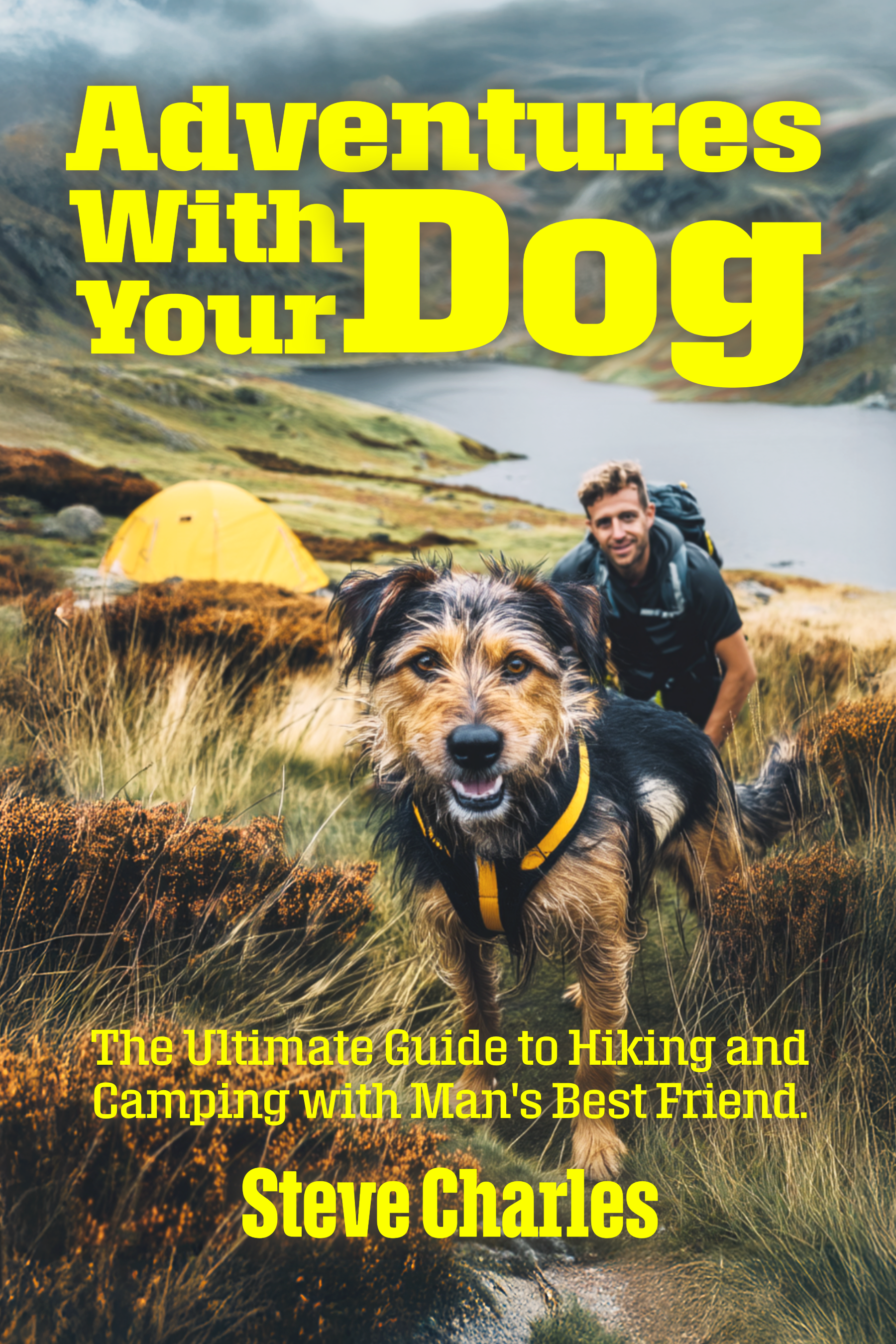
Camping with Your Dog
Wake up to wagging tails and wilderness adventures
There are few things better than waking up in a tent with your dog pressed against your legs, the smell of damp grass in the air, and a whole day of adventure ahead. Camping with your dog is one of the most rewarding ways to get fit together — combining hiking, swimming, exploring, and simply being outdoors for extended periods. But it takes a little planning to get right, and this in-depth guide covers everything from assessing whether your dog is ready, to choosing the right site, packing the right kit, and keeping them safe around campfires, wildlife and other campers.
Key Benefits
- Deepens your bond through shared outdoor experiences
- Provides mental stimulation from new environments
- Burns extra calories with all-day outdoor activities
- Improves sleep quality for both of you
- Reduces stress with nature immersion
Is Your Dog Ready to Camp?
Not every dog takes to camping immediately, and that is completely fine. Before you book a pitch, it is worth honestly assessing your dog's temperament, fitness and training. Dogs that are anxious, reactive to other dogs, or easily overwhelmed by new environments may find camping stressful rather than enjoyable — a campsite is full of unfamiliar smells, sounds, people and animals. If your dog struggles in busy parks or on busy streets, a quiet, remote campsite is a far better starting point than a large, bustling holiday park. Confident, sociable dogs, on the other hand, often take to camping instantly, loving the extra stimulation, the freedom of open spaces and the novelty of sleeping somewhere new.
Your dog does not need to be competition-trained, but a reliable recall is essential. On a campsite you will encounter other dogs, children, wildlife and open roads — a dog that comes back when called is a dog that stays safe. Equally important is the ability to settle. A dog that can lie quietly while you eat, chat to neighbours or sit by the fire makes camping genuinely relaxing. If your dog struggles to settle, practise at home first; a mat or bed that travels with you can help enormously.
Make sure vaccinations, flea and tick treatments are all up to date before you go. If your dog is elderly, has joint problems or a heart condition, speak to your vet before planning a trip built around long walks. A brilliant trial run is to pitch the tent in the garden and let your dog sleep in it overnight — you will quickly discover whether they are going to settle or spend the night barking at foxes.
Choosing the Right Campsite
Not all campsites welcome dogs, and those that do vary enormously in how dog-friendly they actually are. A little research before you book saves a great deal of disappointment. Always check the campsite's dog policy before booking — some sites allow dogs but restrict them to certain areas or pitches, others charge a small fee per dog, and a few limit the number of dogs per pitch or ban certain breeds. Read the small print, and if in doubt, ring ahead. Useful booking sites that filter for dog-friendly options include Pitchup.com, Cool Camping, and the Camping and Caravanning Club's own site finder.
The best dog-friendly campsites offer direct access to walking routes from the pitch, a secure fenced dog exercise area, water points, and a relaxed attitude to dogs being on leads around the site. Proximity to a vet is worth noting too — not because anything is likely to go wrong, but because it is reassuring to know where the nearest practice is.
Wild camping is a special case. In England and Wales it is generally not a legal right on private land — you need the landowner's permission. Scotland is the exception: the Land Reform (Scotland) Act 2003 gives a right of responsible access, including wild camping, across most land. Dartmoor in England also has a specific wild camping right in designated areas. Even where wild camping is permitted, dogs must be kept under close control near livestock, ground-nesting birds and nature reserves.
What to Pack for Your Dog
Packing for a dog is almost as involved as packing for a child, but the good news is that most of it is lightweight and compact. Bring more food than you think you will need — dogs burn more calories when they are active — and stick to your dog's usual food to avoid digestive upset. Collapsible silicone bowls are ideal: they weigh almost nothing and pack flat. Bring a dedicated water bottle for your dog, or plan your route around reliable water sources.
Your dog's usual bed or blanket will help them settle in an unfamiliar environment, and a self-inflating camping mat works well for dogs that sleep on the floor. If your dog sleeps in a crate at home, a soft-sided travel crate gives them a familiar, secure space inside the tent. Bring at least two leads — one for walking and a longer training line for around the pitch — and a well-fitted harness, which is preferable to a collar for active dogs.
For health and hygiene, pack a basic dog first aid kit, a tick remover, more poop bags than you think you will need, dog-safe insect repellent, and a quick-drying microfibre towel. If your dog takes regular medication, pack enough for the trip plus a day or two extra. A clever tip: freeze a portion of food before you leave — it acts as an ice pack in your cool bag and defrosts in time for the first meal.
Setting Up Camp Safely
Arriving at a new campsite is exciting, and that excitement can quickly become a problem if you are not organised. Keep your dog on the lead while you set up, and let them sniff around the pitch on a long line rather than giving them free rein immediately. This gives them time to take in the new environment without the risk of them bolting.
A ground anchor or peg-in stake is useful for tethering your dog while you are busy with tent poles and guy ropes. Make sure the tether is short enough that they cannot reach the tent fabric — dogs and tent zips are a bad combination — and never leave your dog tethered and unattended for long periods. Teach your dog to wait at the tent entrance rather than barging in and out.
Remember that not everyone on a campsite is a dog lover. Keep your dog under control, pick up immediately, and do not allow your dog to approach other pitches uninvited. If your dog barks at night, address it — a dog that barks for hours is the quickest way to make enemies of your neighbours.
Trails, Walks and Wildlife Safety
The best part of camping with a dog is the walking. Use the OS Maps app or AllTrails to filter for dog-friendly routes near your site. But the countryside brings responsibilities, and this is where most incidents happen. Keep your dog on a lead near livestock at all times — not just because of the law, but for safety. A dog chasing sheep can cause serious harm, and farmers have the legal right to shoot a dog that is worrying livestock. Be aware of ground-nesting birds between March and August, and keep your dog close in these areas during nesting season.
Check paws at the end of each day, looking for cuts, thorns, and grass seeds, which can burrow into the skin and are a major cause of vet visits. Check thoroughly between the toes, in the ears, and around the eyes after every walk through long grass. Dog boots are worth considering for extended trips on rough ground.
Watch for adders, the UK's only venomous snake, on heathland and moorland in spring and summer. If your dog is bitten, keep them still, carry them, and get to a vet immediately — bites are rarely fatal if treated promptly. Check for ticks after every walk, paying attention to the head, ears, armpits and groin, and remove any you find with a proper tick tool.
Heatstroke, First Aid and Getting Home
Heatstroke is a genuine emergency and the single biggest risk on a warm camping trip. Signs include excessive panting, drooling, glazed eyes, vomiting and collapse. If you spot them, move the dog to shade immediately, apply cool (not cold) water to the neck, armpits and groin, and get to a vet. Never leave a dog in a tent in direct sunlight — a closed tent heats up dangerously fast, just like a car.
A basic first aid kit should include sterile gauze and Vetrap for dressing and supporting wounds, a tick remover and tweezers for parasites and thorns, saline or antiseptic wipes for cleaning wounds, and a digital thermometer (a dog's normal temperature is 38 to 39.2°C). Introduce your dog to the campfire calmly, never leave them unattended near an open fire or hot barbecue, and dispose of food waste carefully so they do not learn to raid bins.
Once home, perform a nose-to-tail check again and bathe your dog with a dog-specific shampoo to remove grime. Expect them to sleep for most of the following day — they have had a huge amount of physical and mental stimulation, and that deep, contented tiredness is exactly what a good camping trip should produce.
Quick Facts
Fitness Level
Any — adjust to your dog
Best Season
Spring through Autumn
Min. Age
No strict min, but puppy-proof the trip
Key Risk
Heatstroke, ticks, livestock encounters
Frequently Asked Questions
Q.Can any dog go camping?
Most healthy, well-socialised dogs can enjoy camping, but nervous or highly reactive dogs may find a busy campsite stressful. Start with a quiet, remote site and do a trial run by pitching the tent in your garden overnight first.
Q.Is wild camping with a dog legal in the UK?
Wild camping is a right of responsible access in Scotland under the Land Reform (Scotland) Act 2003, and is permitted in designated areas of Dartmoor. Elsewhere in England and Wales you need the landowner's permission. Everywhere, keep your dog under close control near livestock and wildlife.
Q.How do I stop my dog barking at night in the tent?
Bring their usual bed or blanket for a familiar scent, tire them out during the day, and practise settling at home beforehand. A soft-sided travel crate can give an anxious dog a secure den inside the tent.
Q.What is the most important safety risk when camping with a dog?
Heatstroke is the biggest danger — never leave a dog in a closed tent in the sun. Ticks, grass seeds and livestock encounters are the other main concerns, all of which are easily managed with daily checks and keeping your dog on a lead near farm animals.
Q.What should I feed my dog on a camping trip?
Stick to their usual food to avoid digestive upset, but bring extra because active dogs burn more calories. Collapsible bowls and a dedicated water supply are essential, and freezing a portion of food doubles as an ice pack for your cool bag.
Get the Complete Guide
Free PDF with everything you need to get started
We respect your privacy. Unsubscribe anytime.