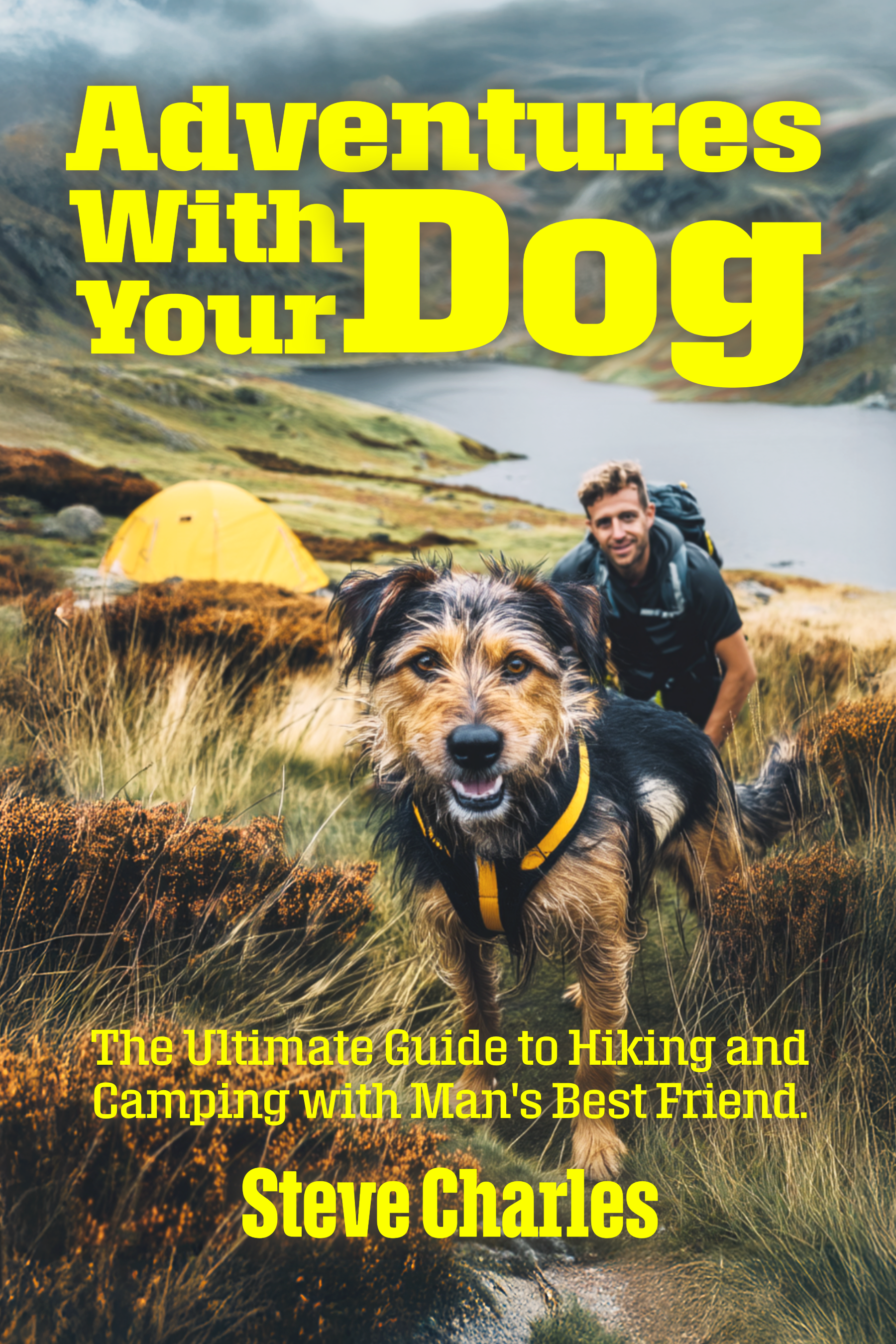
Ask any dog owner who has taken their dog on a proper hike and they will tell you the same thing: it changes the relationship. There is something about shared effort — the same steep climb, the same wind, the same view from the top — that deepens the bond in a way a walk around the block simply cannot. Dogs are built for this. But hiking with a dog is not simply a longer park walk; the trail introduces terrain that can injure paws, wildlife that can provoke a chase, and weather that escalates quickly. A well-prepared hike is a joy, and this guide covers everything you need to be trail-ready.
Key Benefits
- Builds genuine cardiovascular fitness together
- Deepens the bond through shared effort
- Engages your dog's mind and senses fully
- Accessible — start small and build up
- Endless beautiful UK routes to explore
Is Your Dog Ready to Hike?
Not every dog is suited to hiking, and being honest about this from the start is the kindest thing you can do. Hiking places demands on a dog's body and mind that everyday life does not — sustained effort, unfamiliar terrain, novel sounds and smells, and the need to stay focused over several hours. Working, sporting and herding breeds such as Border Collies, Labradors, Vizslas, Weimaraners, German Shepherds and Huskies are natural hikers. Terriers are energetic and tough, though their prey drive needs managing. Brachycephalic breeds such as Pugs and Bulldogs have significantly compromised breathing and struggle in heat or at altitude, so sustained hiking is not appropriate for most of them, and giant breeds are prone to joint problems and should not be pushed hard when young.
Age and fitness are crucial. Puppies under twelve months should not be taken on long or strenuous hikes because their growth plates are still developing and repetitive impact can cause lasting joint damage. Senior dogs can hike beautifully but need shorter distances, more rest stops, softer terrain and extra attention to temperature. A dog that currently walks two miles a day cannot suddenly hike ten miles without consequence — build fitness gradually over several weeks.
Before committing to a full trail hike, do a test walk of similar duration and terrain, and observe carefully: does your dog tire quickly, are they stiff the following day, do they show reluctance to continue? Your dog is likely trail-ready if they walk comfortably for 60+ minutes without tiring, respond reliably to recall, are comfortable on a lead, have been cleared as healthy by your vet, and are up to date with vaccinations and parasite prevention.
Vet Preparation and Health Checks
A vet check before your first serious hike, and annually thereafter, is time well spent, because the trail exposes your dog to risks that simply do not exist in the average back garden. Ensure your dog's core vaccinations are current: distemper, parvovirus and adenovirus at minimum. Leptospirosis vaccination is strongly recommended for any dog that will be near water, farmland or woodland — this bacterial infection is spread through contaminated water and soil and is a genuine risk on many popular routes. Kennel cough vaccination is worth considering if your dog will meet other dogs on the trail.
Ticks are the most significant parasite risk for hiking dogs. They are found in long grass, bracken, heather and woodland throughout the UK, and can transmit Lyme disease, babesiosis and anaplasmosis. Ensure your dog is on an effective, current tick-prevention treatment, and keep flea prevention current too. If your dog is a large or giant breed, a senior, or has any history of joint problems, ask your vet to assess their joints before you begin a hiking programme.
Carry a copy of your dog's vaccination records, and if your dog takes regular medication bring more than you think you will need. One rule is absolute: never give human medications. Ibuprofen and paracetamol are both highly dangerous to dogs and must never be administered without explicit veterinary advice.
Choosing the Right Trail and Essential Kit
Choosing the right trail is one of the most important decisions you will make — a trail that is too long, too steep or too exposed can turn a wonderful day into a dangerous one. When hiking with a dog, particularly for the first time, choose a grade below what you would choose for yourself, because your dog cannot tell you when they are struggling. Soft, even terrain such as woodland paths and grassy tracks is the most forgiving; rocky or scree terrain is hard on paws, and very steep descents put significant stress on a dog's front legs and shoulders. In the UK, dogs are permitted on public rights of way but must be kept on a lead near livestock and where signs require it. The Ordnance Survey app, AllTrails and Komoot all let you plan routes and check access.
Trail kit is about safety, comfort and control. A well-fitted harness is strongly preferable to a collar — it distributes pressure evenly, gives better control on difficult terrain, and reduces the risk of tracheal injury. Look for a front clip for pullers, a back clip for general use, padded straps, and a handle on the back for helping your dog over obstacles; Ruffwear, Julius-K9 and Hurtta all make excellent trail harnesses. Carry a standard lead (1.5–2m) and a long line (5–10m).
Complete your kit with paw protection (dog boots or paw wax such as Musher's Secret), sufficient clean water and a collapsible bowl for both of you, high-energy trail treats, and a compact trail first aid kit containing a tick tool, antiseptic wipes, sterile gauze and vet wrap, blunt-ended scissors, tweezers, saline, a digital thermometer and an emergency foil blanket. A dog pack lets your dog carry their own water and food, but must not exceed 10–15% of their body weight and should never be used on a dog with joint problems or one not yet fully grown.
On the Trail: Pacing, Hydration and Reading Your Dog
Dogs are enthusiastic starters. They bound ahead at the beginning of a hike with apparently limitless energy, then flag badly in the second half if they have burned through their reserves. Set a steady pace from the start, particularly on longer hikes — if your dog is consistently pulling ahead, slow down; if they are lagging, stop and rest. Plan regular rest stops, every 45 minutes to an hour on moderate terrain and more frequently in heat, and use them to offer water, check paws, and observe your dog's condition.
Offer water every 15–20 minutes during active hiking, and more often in warm weather. Do not wait for your dog to show thirst — by the time a dog is visibly thirsty, they are already mildly dehydrated. A well-hydrated dog has moist gums and pale yellow urine; dark urine, dry gums and lethargy signal dehydration requiring immediate attention. Increase food intake by roughly 25–50% on high-activity hiking days, but avoid a large meal immediately before or after vigorous exercise, because large and deep-chested breeds are at risk of life-threatening bloat.
Learn to read your dog's body language on the trail. Heavy panting at rest, lagging behind, lying down and being reluctant to rise, excessive drooling, stumbling or uncoordinated movement, and persistently seeking shade are all signals that something is wrong. Any of these means stop, rest, offer water, and assess before continuing. A dog that lies down and will not get up is telling you something important — do not push through fatigue, it is the fastest route to injury.
Wildlife, Hazards and Water Safety
Terrain and nature bring specific hazards. In the UK, the most significant wildlife risks are adder bites (particularly on heathland and moorland on warm spring and summer days), encounters with livestock (dogs must be kept on leads near farm animals, and a dog that chases livestock can be legally shot by a farmer), and disturbance of ground-nesting birds in spring and early summer. If your dog is bitten by an adder, keep them as calm and still as possible and seek emergency veterinary treatment immediately.
Several common UK plants are toxic to dogs, including bracken, foxglove, wild garlic, yew, ragwort and acorns, so teach a reliable "leave it" command and discourage grazing. On difficult terrain, take steep descents slowly and use a harness handle to support your dog, and assess river crossings carefully because fast-moving water can knock a dog off its feet and cold water causes rapid hypothermia.
Water safety deserves special attention. Do not allow your dog to drink from standing water, puddles or slow-moving streams, which can harbour leptospirosis, giardia and cryptosporidium. The most serious hazard is blue-green algae (cyanobacteria), found in lakes, ponds and slow rivers in warm weather — it is highly toxic and can cause liver failure and death within hours. If you see green, blue-green or brown scum on water, keep your dog well away. Never share human trail snacks without checking: raisins and grapes, macadamia nuts, chocolate, xylitol, onions, garlic and caffeine are all toxic to dogs.
Trail First Aid, Etiquette and Recovery
Carry a compact first aid kit and know how to use it. Heatstroke is the most dangerous weather hazard — signs include heavy panting, excessive drooling, bright red or pale gums, vomiting, disorientation and collapse. Act immediately: move to shade, apply cool (not cold) water particularly to the neck, armpits and groin, fan the dog to aid evaporation, and seek emergency treatment, because heatstroke causes organ failure and is fatal if untreated. For hypothermia, wrap your dog in dry layers and a foil blanket, shelter from wind, and warm gradually without direct heat sources. Clean cuts with saline, cover with gauze and vet wrap, and seek veterinary attention for deep wounds or persistent limping. Save key numbers before you go, including the Animal Poison Line (UK): 01202 509000.
Trail etiquette protects both dogs and the countryside. Keep your dog on a lead near livestock without exception, and always clean up — pick up every time, everywhere, and if no bins are available, carry the waste out. Bagging and leaving waste on the trail is the single most common reason access areas restrict or ban dogs. From March to August, keep your dog on a lead or close to heel around ground-nesting birds on moorland and heathland, and give horses a wide berth, moving well off the path and speaking calmly to the rider.
Recovery is part of the hike. Do a thorough tick check as soon as you finish, working systematically through the whole coat. Examine all four paws for cuts, cracked pads and embedded debris, and clean minor wounds with saline. A rinse or bath after the hike removes allergens and mud. Allow a day of lighter activity after a long hike, and watch in the following days for persistent lethargy, loss of appetite, or any swelling around a tick bite — Lyme disease symptoms can take days to weeks to appear, so mention heavy tick exposure to your vet. Keeping a simple trail log of date, route, distance and how your dog performed builds a valuable picture of their fitness over time.
Quick Facts
Fitness Level
Scalable — build up gradually
Best Season
Spring and autumn in the UK
Min. Age
12 months for long hikes
Key Risk
Heatstroke, algae, ticks, terrain
Frequently Asked Questions
Q.How far can my dog hike?
It depends entirely on breed, age and fitness. Build up gradually — a dog used to two-mile walks cannot suddenly manage ten miles. Do a test walk first, choose a trail grade below what you'd pick for yourself, and always watch for signs of fatigue.
Q.What is the most dangerous hazard when hiking with a dog?
Heatstroke is the biggest weather danger, and blue-green algae in water can kill within hours. Ticks, adder bites, toxic plants and livestock encounters are the other main risks — all manageable with preparation, water discipline and keeping your dog on a lead where needed.
Q.Can my dog drink from streams and puddles on the trail?
No. Standing and slow-moving water can carry leptospirosis, giardia and blue-green algae. Always carry sufficient clean water and a collapsible bowl, and offer it every 15–20 minutes rather than waiting for your dog to show thirst.
Q.What should be in a dog trail first aid kit?
A tick removal tool, antiseptic wipes, sterile gauze and bandages, vet wrap, blunt-ended scissors, tweezers, saline, a digital thermometer, an emergency foil blanket, and any regular medications — all in a waterproof bag.
Q.Do I have to keep my dog on a lead when hiking?
You must keep your dog on a lead near livestock (a farmer can legally shoot a dog worrying livestock) and around ground-nesting birds from March to August. Elsewhere, off-lead time is fine only if your recall is reliable regardless of distractions.
Get the Complete Guide
Free PDF with everything you need to get started
We respect your privacy. Unsubscribe anytime.