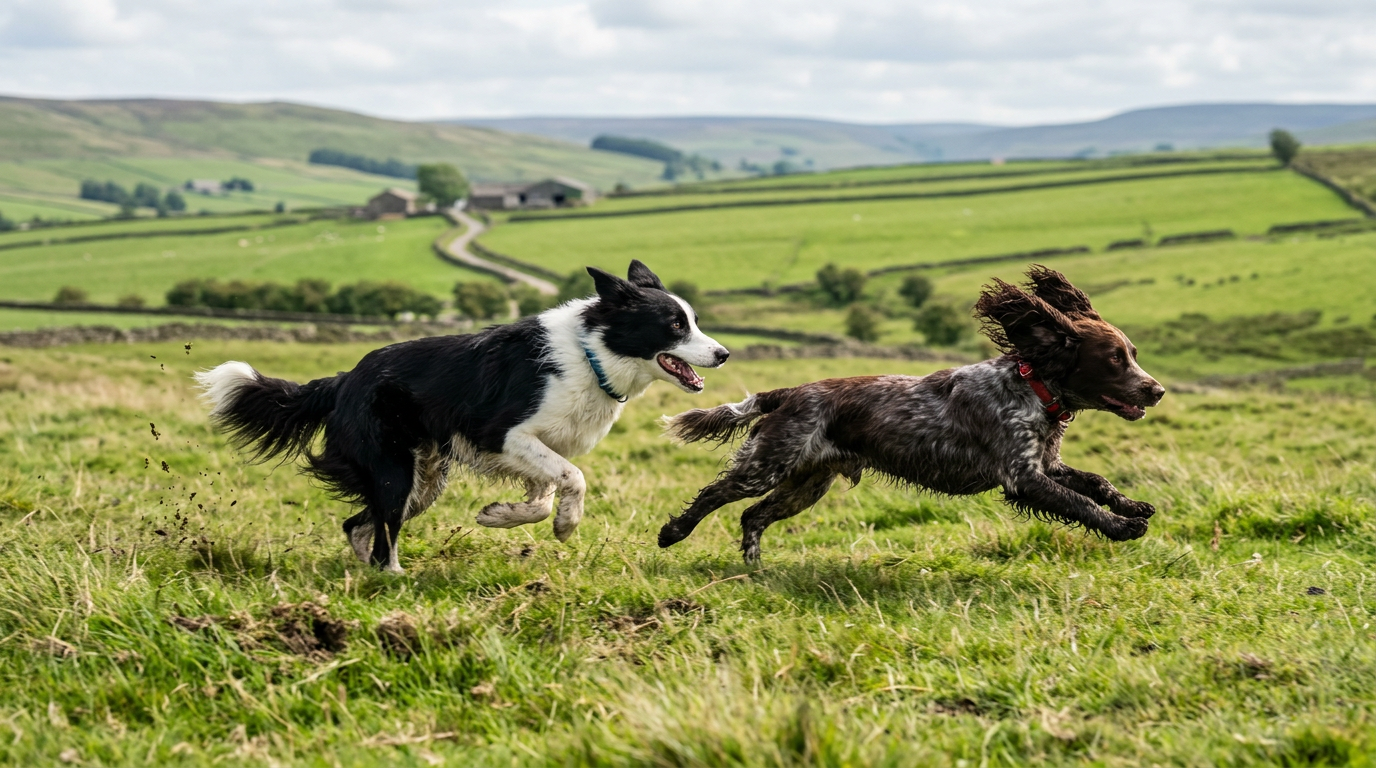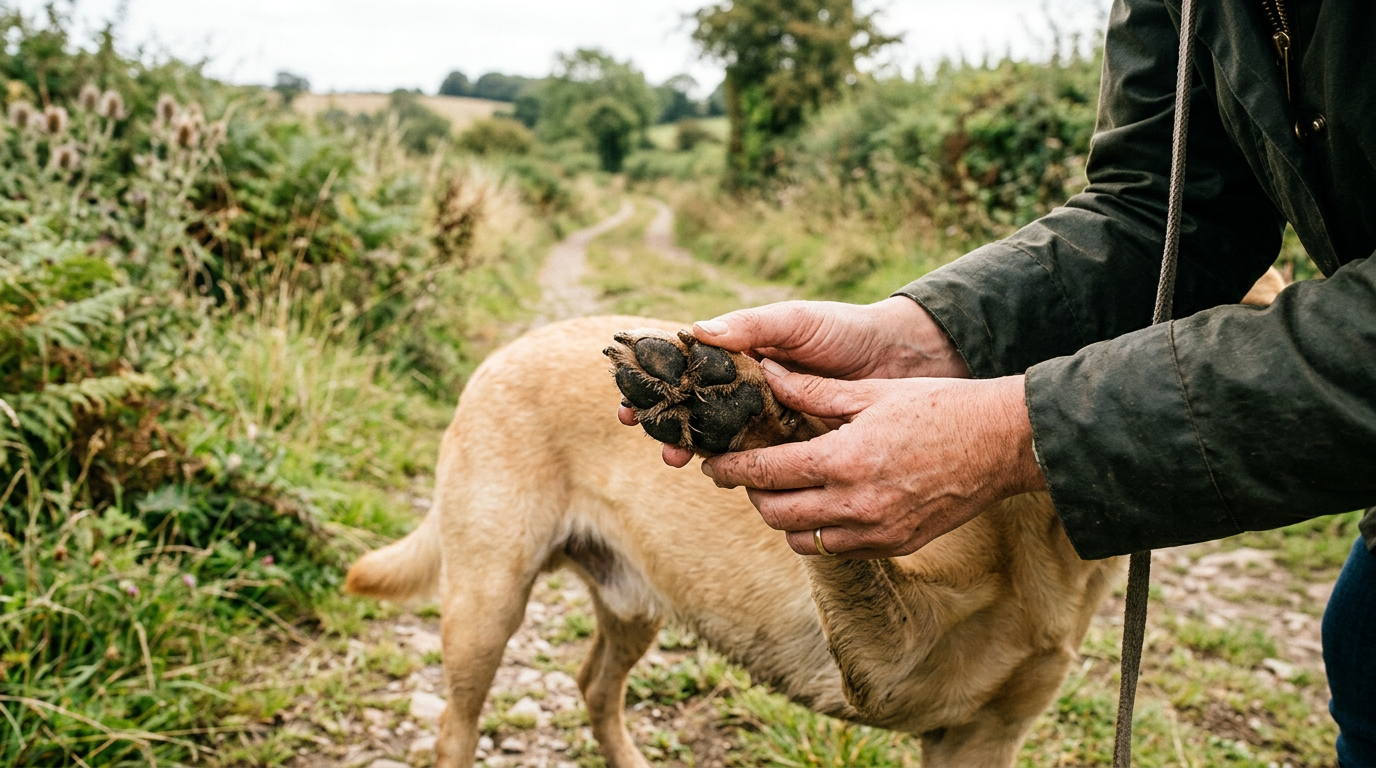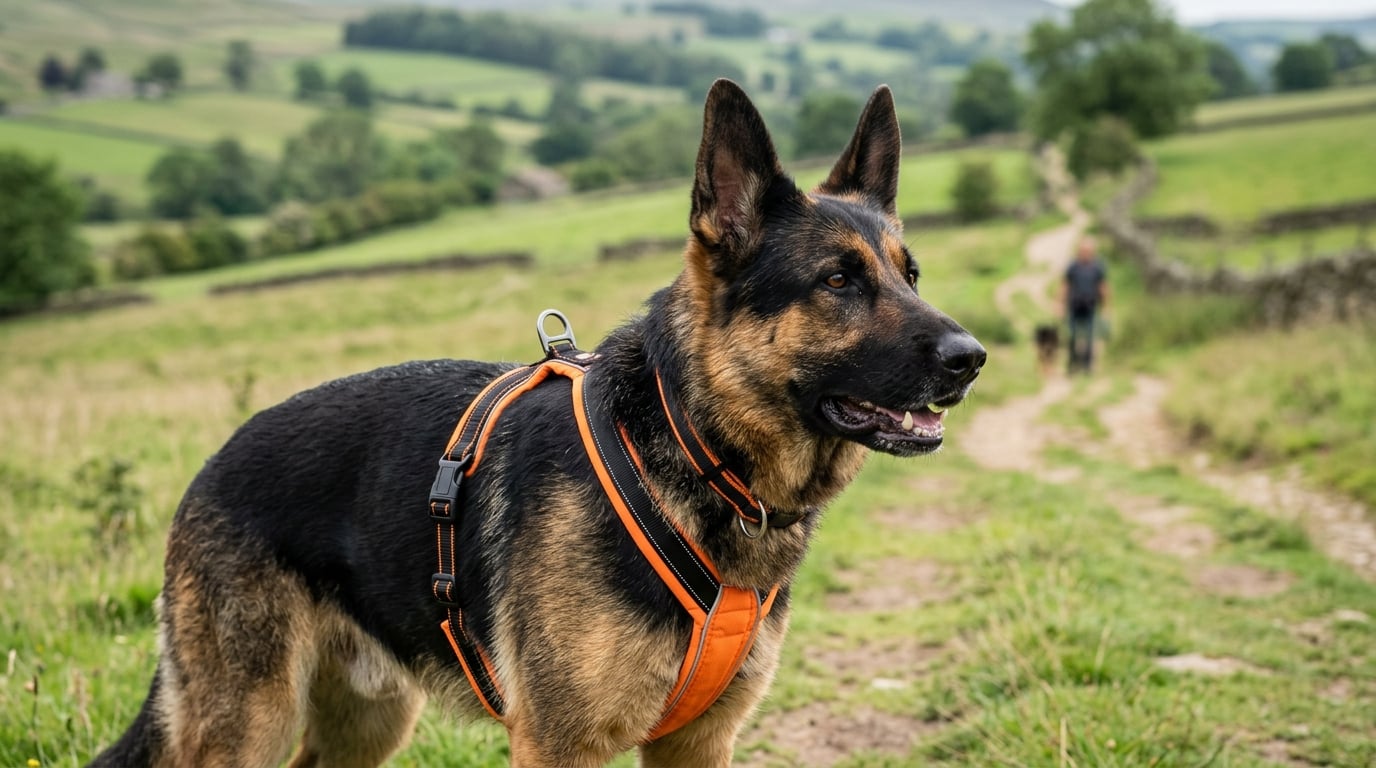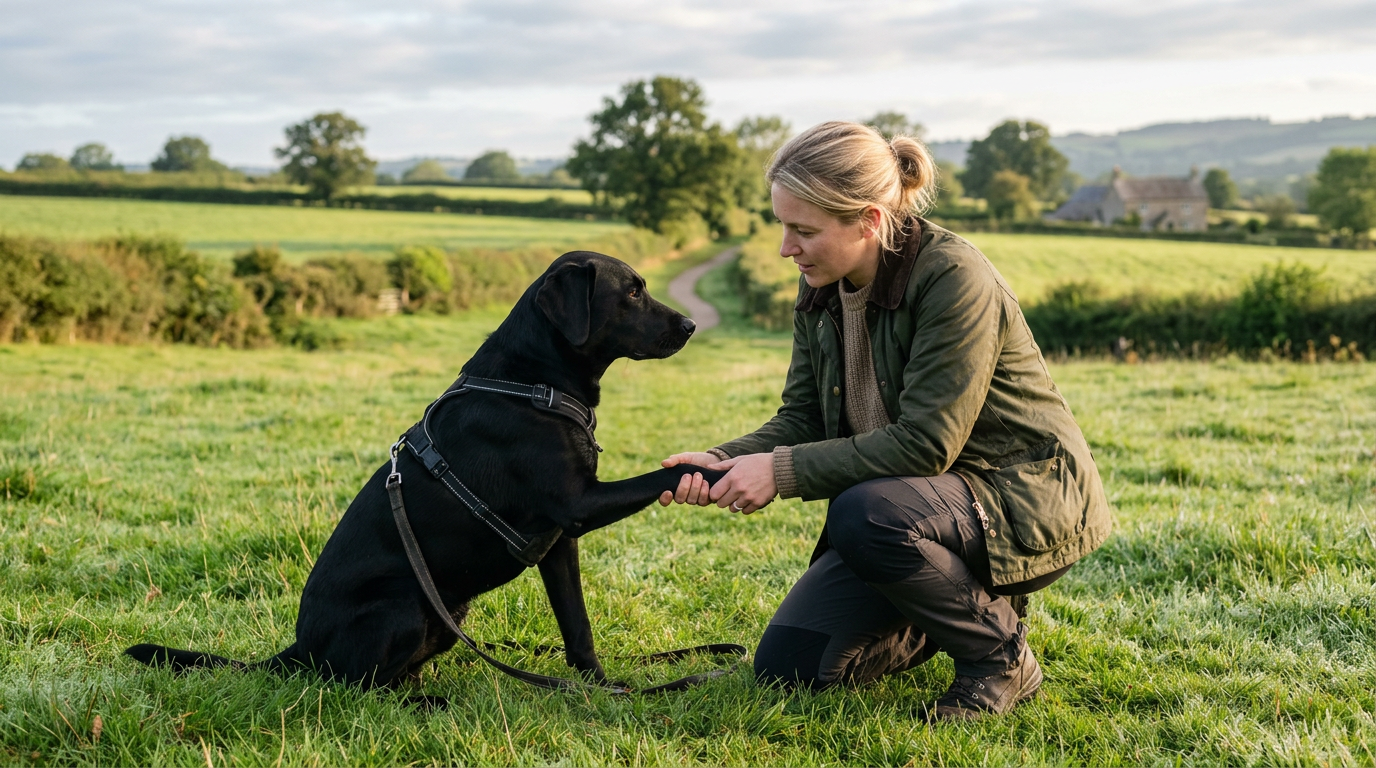
We would not sprint off the starting line with cold muscles, and neither should our dogs. Yet the warm-up is the step most often skipped when we are keen to get going. Taking just a few minutes to prepare your dog’s body before intense activity — and to bring it back down gently afterwards — is one of the simplest, most effective ways to prevent the strains, sprains and stiffness that cut adventures short. It matters most before fast, explosive sports like flyball, canicross and fetch, but every active dog benefits.
Why Warming Up Matters
Cold muscles are stiff, less elastic and more prone to tearing. A proper warm-up gradually raises your dog’s heart rate and body temperature, increases blood flow to the muscles, and loosens the joints, priming the body for sudden bursts of effort. It also switches the mind on, giving your dog a moment to focus before the action begins.
The risk of skipping it is real. A dog that leaps straight into a flat-out sprint or a hard game of fetch from a standing, cold start is asking a lot of cold tendons and muscles. Soft-tissue injuries — pulled muscles, strained shoulders, and the cruciate ligament injuries that are so common and so serious in dogs — are far more likely without that gentle preparation.
A Simple Five-Minute Warm-Up
You do not need anything elaborate. Begin with three to five minutes of brisk walking, building from a stroll to a purposeful pace to get the blood moving. Then add a little gentle trotting, and a few changes of direction — some easy figure-of-eights and wide curves that ask the body to bend and flex without strain.
From there you can include a handful of slow, controlled movements: a few sit-to-stand repetitions work the hindquarters like gentle squats, and simple nose-to-hip lures on each side encourage a soft, active stretch through the spine. Keep everything slow and comfortable — this is preparation, not a workout — and finish the warm-up ready to step the pace up gradually rather than exploding straight into top gear.
The Cool-Down Most People Forget
The cool-down is at least as important as the warm-up, and it is the part almost everyone skips. Stopping abruptly after hard exercise lets blood pool, allows waste products to linger in the muscles, and leaves the body to stiffen up. A gradual wind-down helps the heart rate and breathing return to normal and clears the muscles, reducing next-day soreness.
Simply spend the last five to ten minutes of any energetic outing walking at a steadily easing pace, from a trot down to a relaxed amble. Let your dog sniff and potter — that gentle, low-key movement is exactly what the body needs. Offer water in small amounts as they settle, and avoid the temptation to bundle a hot, panting dog straight into a crate or car.
Gentle Stretching — With Care
Light stretching after exercise, once the muscles are warm, can help maintain flexibility, but it must be done gently and never forced. Dogs should only ever be stretched within their natural, comfortable range of movement. Never pull a limb into a position, never force a joint, and stop immediately at any sign of discomfort.
The safest “stretches” are active ones your dog does themselves, encouraged with a treat: a nose-to-tail curve to each side, a play-bow stretch through the shoulders and back, and a gentle reach forward. If you are interested in more structured canine massage or stretching, it is well worth learning from a qualified canine physiotherapist rather than improvising, as the wrong technique can do more harm than good.
Adjusting for Weather and Age
Warm-ups matter even more in cold weather, when muscles stiffen faster and take longer to loosen — extend your warm-up on frosty mornings. Older dogs and those with arthritis also benefit enormously from a longer, gentler warm-up, which eases stiff joints into movement and can noticeably improve their comfort.
Puppies, whose joints are still developing, should never be pushed into intense repetitive exercise regardless of warm-up. And whatever your dog’s age, remember that the warm-up and cool-down are not optional extras to trim when you are short of time — they are the bookends that keep the good bit in the middle safe.
Key Takeaways
- Warming up raises temperature and blood flow, protecting cold muscles from strains.
- A five-minute warm-up of brisk walking, trotting and gentle turns is enough.
- Always cool down with several minutes of easing-pace walking to reduce stiffness.
- Only ever stretch a warm dog gently, within their natural range — never force it.
- Extend the warm-up in cold weather and for older or arthritic dogs.

Adventures With Your Dog
by Steve Charles
Your next great adventure starts here — packed with inspiration for exploring the outdoors together.
Get on AmazonThis article is for general guidance only and is not a substitute for professional veterinary advice. If you are worried about your dog’s health, always consult your vet.