Paws are the tyres of the canine world — the only part of your dog in constant contact with the ground, and the part that takes the most punishment on rough trails, hot pavements, icy roads and stony beaches. Yet paw care is easy to overlook until something goes wrong. A little routine attention keeps those pads tough and healthy, and helps you catch small problems before they turn into a limping, miserable dog and an unplanned trip to the vet.
Know What Healthy Paws Look Like
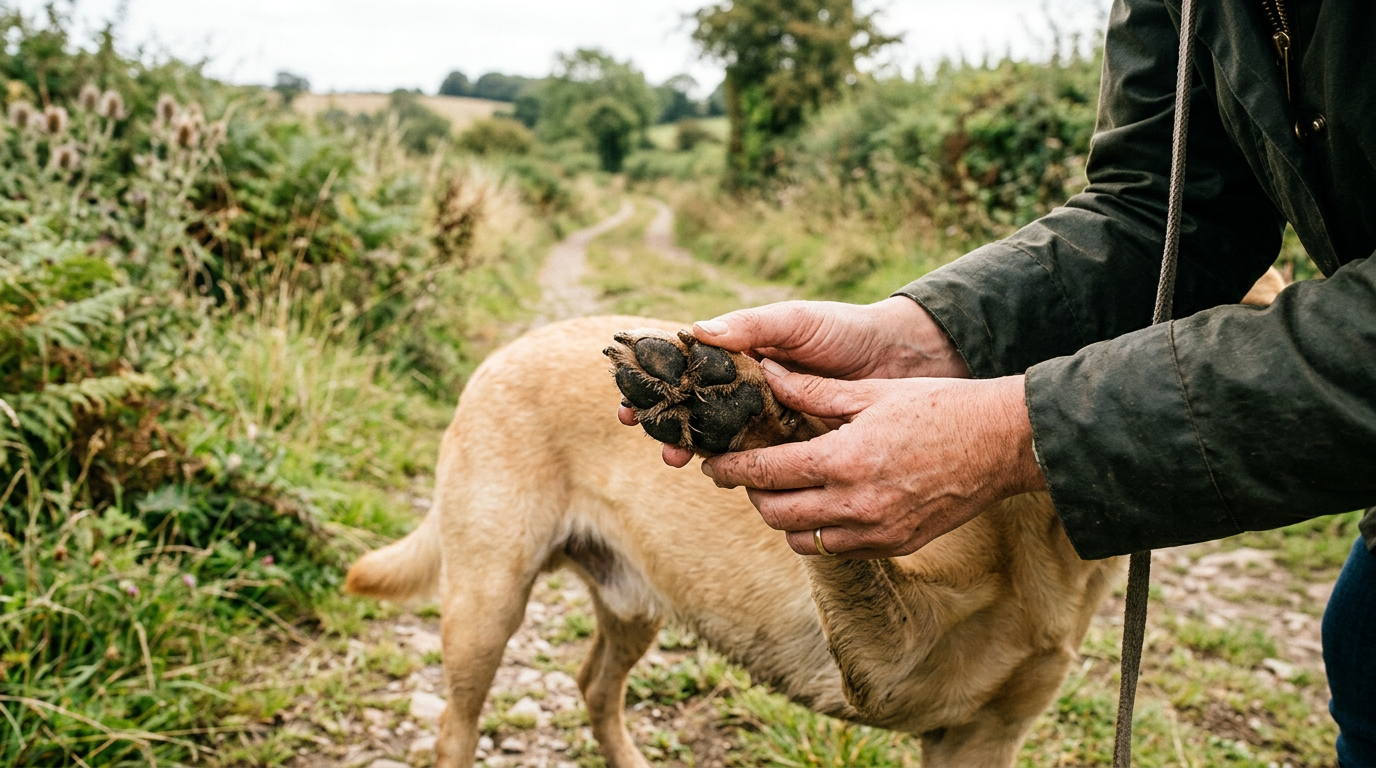
Healthy pads are supple and intact, neither cracked and dry nor soft and soggy. The claws are worn or trimmed to a sensible length — long enough to grip, short enough that they do not click hard on the floor or splay the toes. The fur between the pads is manageable and not heavily matted.
Get into the habit of handling your dog’s feet regularly, ideally from puppyhood, so that paw checks and any future treatment are stress-free. A dog that is comfortable having its paws held is far easier to help when a thorn needs removing or a pad needs dressing. Make it a pleasant routine with plenty of praise and the occasional treat.
Toughening and Conditioning the Pads
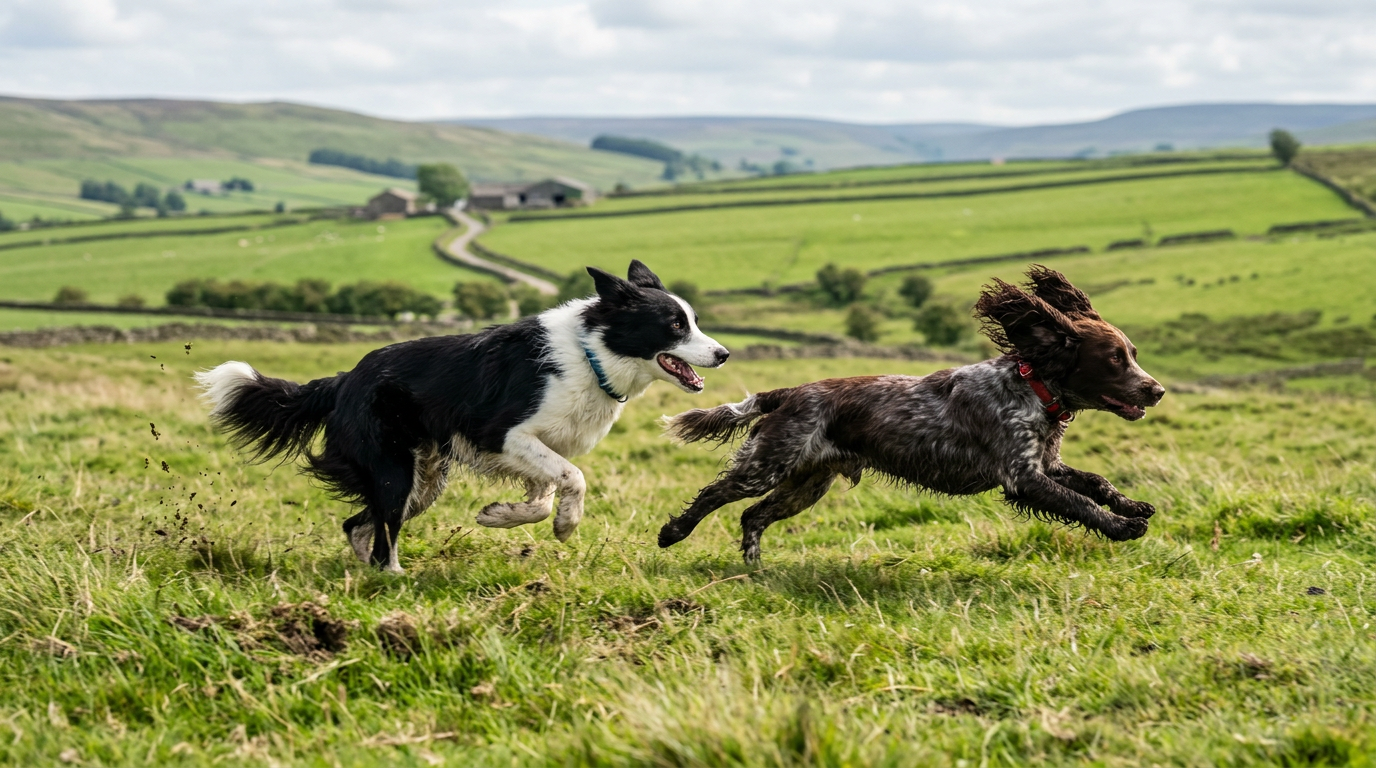
Just like the rest of the body, paw pads condition to the work they do. A dog that only ever walks on soft grass and carpet will have softer, more vulnerable pads than one regularly walked on varied natural surfaces. Building up your dog’s mileage gradually, as part of general fitness conditioning, naturally toughens the pads over time.
Avoid the trap of a sudden change of surface or distance — the first long, rocky hike of the season is a classic cause of worn, sore pads. If you know a tougher terrain is coming, build towards it. Some owners use paw balms to keep pads supple and add a little protection; these can help, particularly in extreme cold or heat, but healthy conditioned pads are the best protection of all.
Terrain Hazards Through the Year
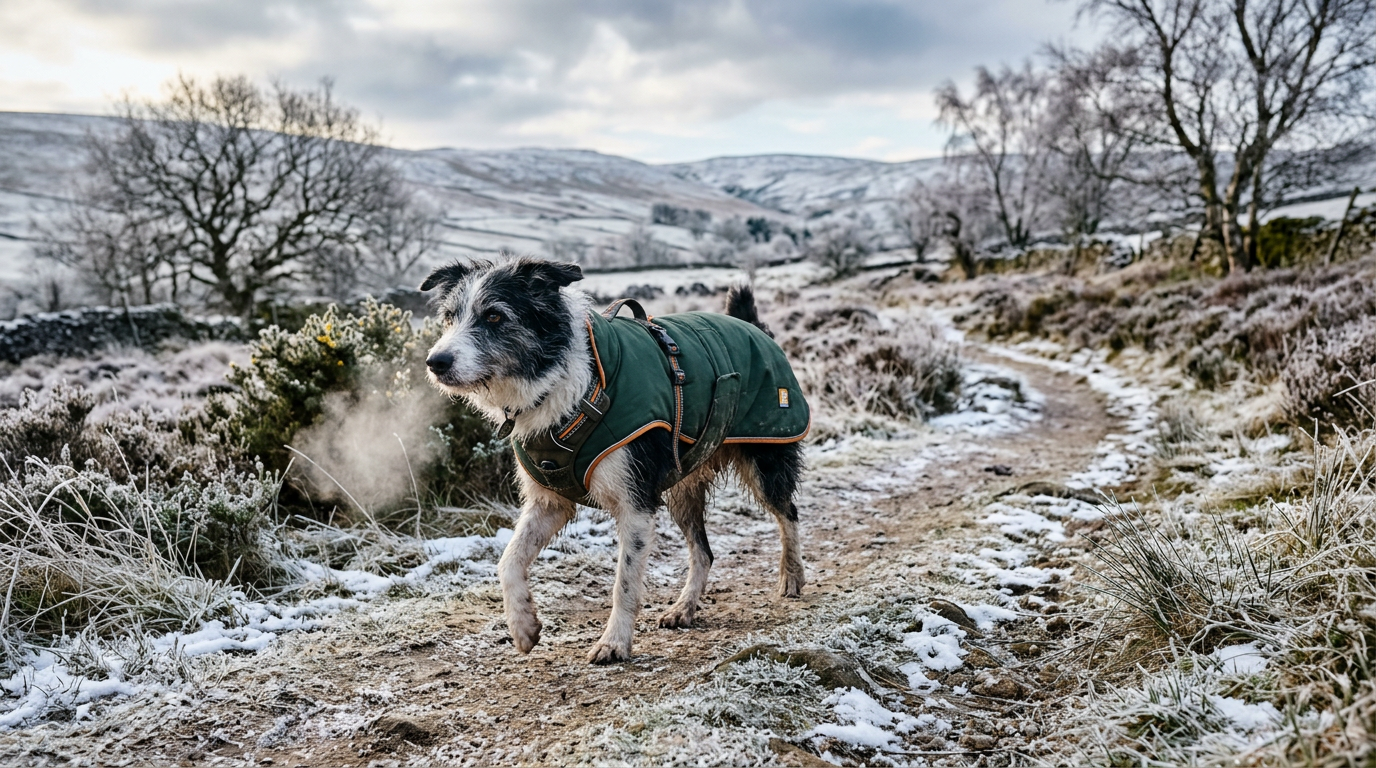
Each season and surface brings its own risks. In summer, hot pavements and sand can scald pads within seconds — use the five-second hand test, and if it is too hot for your hand, it is too hot for their feet. Sharp stones, flint, broken glass and stubble fields can cut pads at any time of year.
In late summer especially, grass seeds are a menace: these sharp, arrow-shaped seeds work their way between the toes and can burrow into the skin, causing painful abscesses. Check thoroughly between the toes after walks through long, dry grass. Winter brings gritting salt that irritates and cracks pads, and ice that can cut. A quick post-walk paw check, whatever the season, is the single best habit you can build.
When to Consider Dog Boots
Dog boots are not for every dog or every walk, but they earn their place in specific situations: extreme heat or cold, very rough or sharp terrain, protecting an existing injury while it heals, or for dogs with particularly sensitive pads. A good boot needs a secure but comfortable fit that will not rub or fall off, and a sole appropriate to the ground.
Most dogs need time to get used to boots — the first attempts often produce that comical high-stepping walk — so introduce them gradually at home with treats before relying on them out on the trail. Do not leave boots on for hours on end, as they trap moisture and heat, and always check the paws when you take them off.
Treating Common Paw Problems
For minor issues you can often help at home. Rinse a dirty or gritty pad with clean water, gently remove a visible thorn or grass seed with tweezers if it is accessible, and clean a minor graze with dilute antiseptic. A pad injury can bleed dramatically because paws are rich in blood vessels; apply gentle pressure with a clean dressing, and a light protective bandage can keep it clean on the way home.
Know when to seek professional help, though. Deep cuts, anything that will not stop bleeding, a grass seed you cannot easily remove, persistent limping, or swelling and signs of infection all warrant a call to the vet. Pads heal slowly because they are constantly in use, so giving an injured paw genuine rest — however much your dog protests — is often the key to a full recovery.
Key Takeaways
- Handle your dog’s paws regularly so checks and treatment are stress-free.
- Toughen pads gradually with varied terrain; avoid sudden long or rocky outings.
- Use the five-second hand test on hot surfaces and check for grass seeds in summer.
- Introduce dog boots slowly, and only use them when the terrain or conditions demand it.
- Treat minor grazes at home, but see a vet for deep cuts, embedded seeds or persistent limping.

Adventures With Your Dog
by Steve Charles
Your next great adventure starts here — packed with inspiration for exploring the outdoors together.
Get on AmazonThis article is for general guidance only and is not a substitute for professional veterinary advice. If you are worried about your dog’s health, always consult your vet.