If you are choosing a dog to share an active life, or simply wondering why your own dog seems to have boundless — or limited — energy, breed is a big part of the answer. Dogs were shaped over centuries for particular jobs, and those origins still drive how much and what kind of exercise they crave today. That said, individuals vary hugely, and with the right approach almost any healthy dog can be a wonderful adventure companion. This guide covers the classic active breeds, the ones that need special care, and how to tailor exercise to the dog in front of you.
The Classic Endurance Athletes
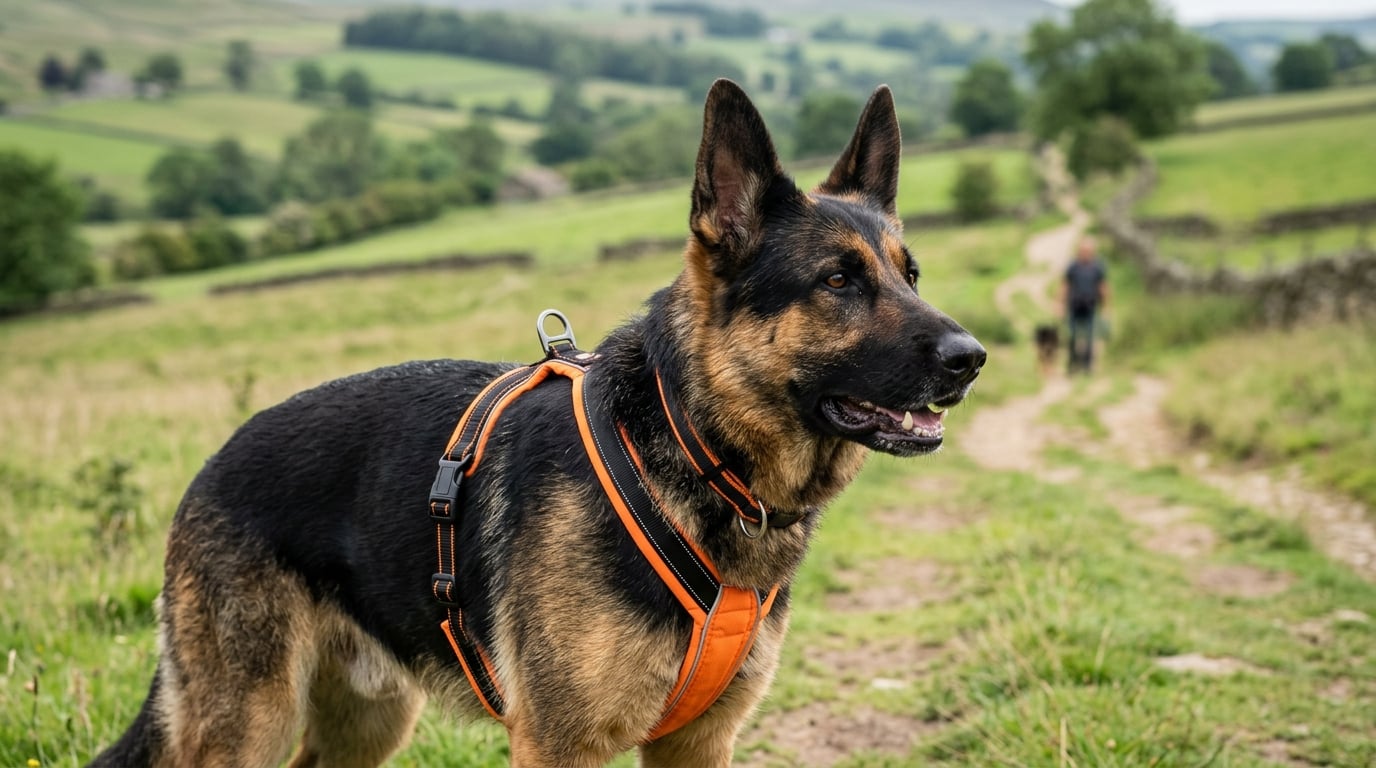
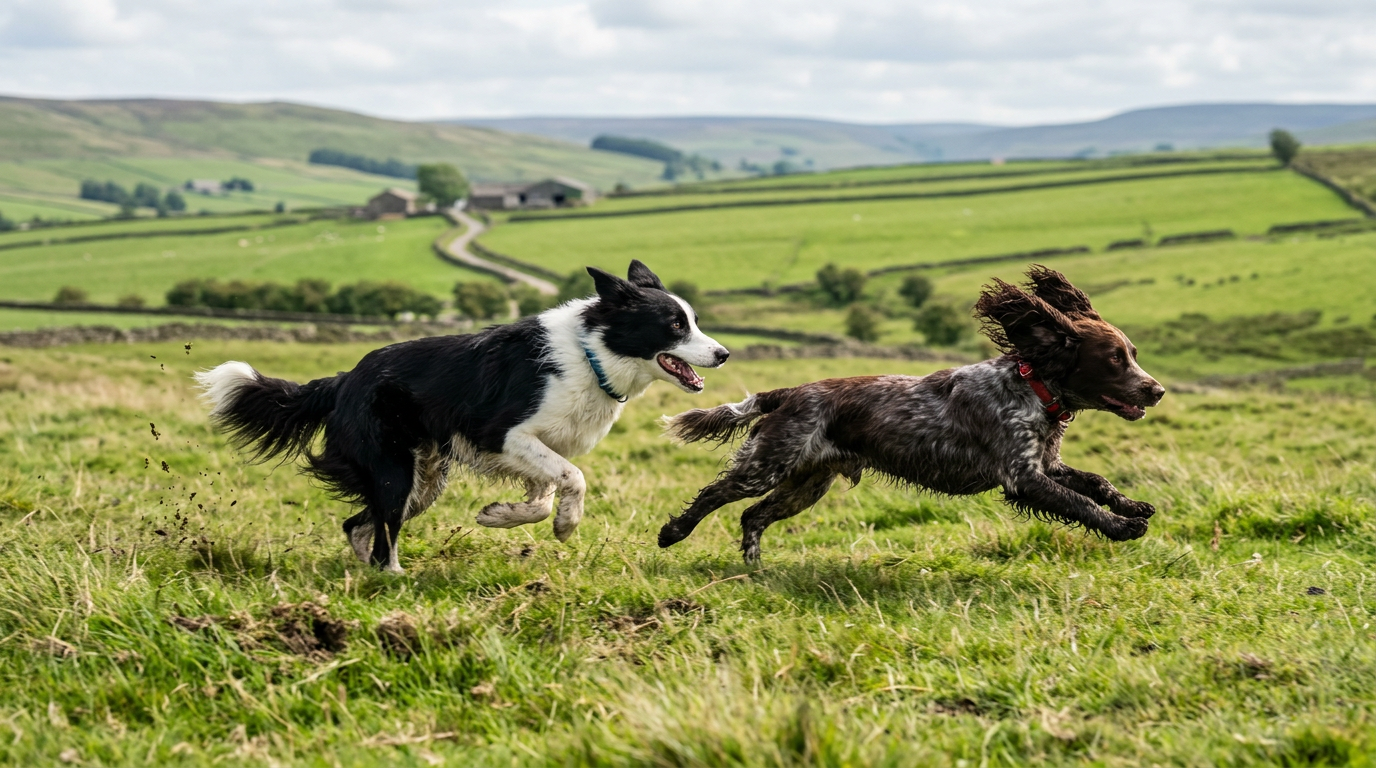
Some breeds are built for going all day. Working and herding breeds such as the Border Collie, Australian Shepherd, and Belgian Malinois combine stamina with a fierce need for mental work — they thrive on canicross, agility, long hikes and problem-solving games, and they can become destructive or anxious without enough of it. The Labrador and Golden Retriever are deservedly popular all-rounders: sociable, water-loving and happy hiking, swimming and running, though prone to weight gain if under-exercised.
Spaniels such as the Springer and Cocker are tireless, nose-driven and superb for scent-based activities and long rambles. Vizslas, Weimaraners and other pointers are among the most athletic of all, needing serious daily exercise. Northern breeds like the Siberian Husky are endurance specialists born to pull — brilliant for canicross and bikejoring, but with a notoriously unreliable recall that keeps many on a long line.
Great Companions With Moderate Needs
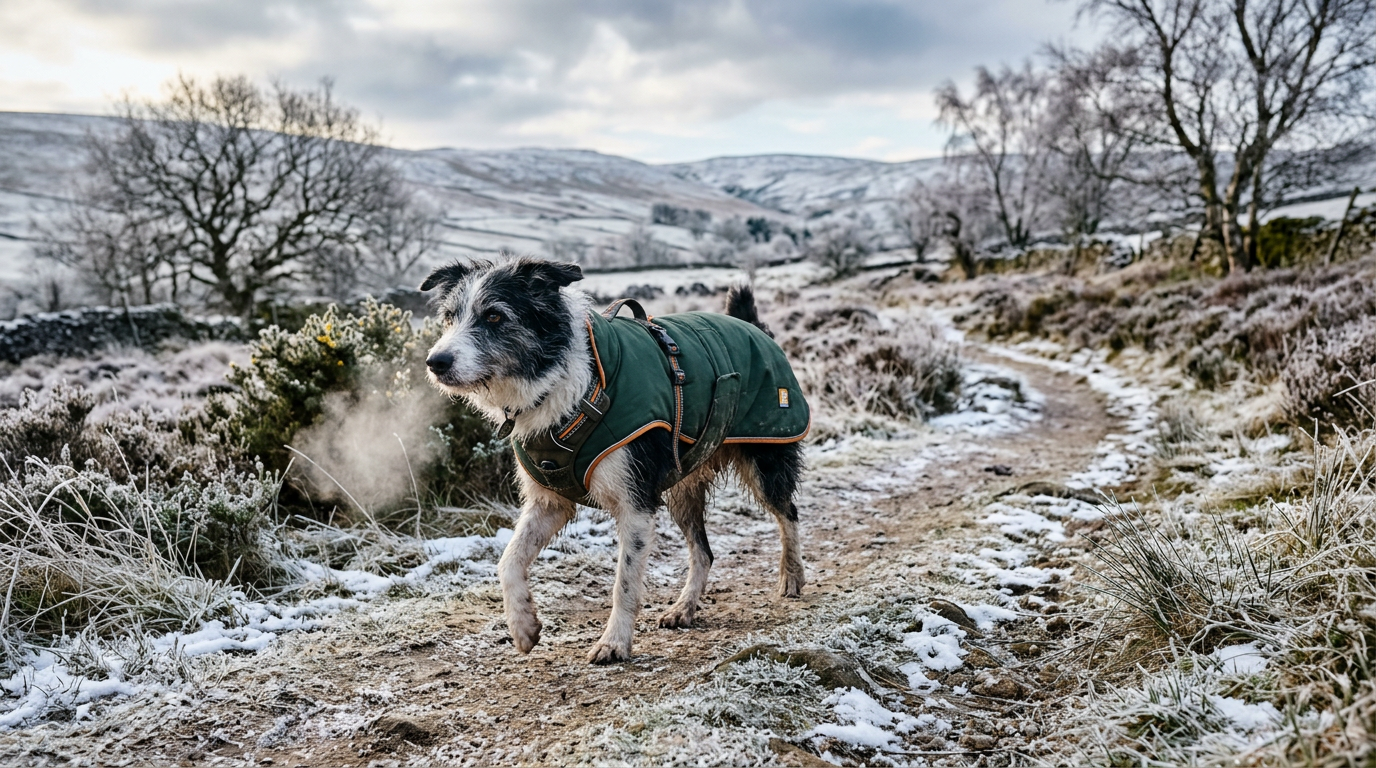
Not every active owner wants a canine dynamo, and plenty of breeds strike a happy middle ground. Many terriers are energetic and game for adventure in a compact package, though often with a strong prey drive to manage. Standard Poodles are athletic, intelligent and surprisingly good hiking and swimming partners. Crossbreeds and rescue dogs of unknown heritage are frequently excellent all-rounders — the key is to assess the individual rather than the label.
For these dogs, a good daily walk with some off-lead running or a game, plus variety and the odd bigger adventure, keeps them fit and content. They can absolutely take part in dog sports at a recreational level; you simply read their appetite for it and build up sensibly rather than assuming they must run marathons.
Breeds That Need Extra Care
Some dogs love activity but have physical limits you must respect. Flat-faced (brachycephalic) breeds such as Bulldogs, French Bulldogs and Pugs have compromised airways that make it hard to cool down and breathe under exertion; they overheat dangerously easily and should be exercised gently, in the cool of the day, with close attention to their breathing.
Very large and giant breeds, and long-backed breeds like the Dachshund, are more prone to joint and spinal problems, so high-impact activity and repetitive jumping should be limited, particularly while young. Sighthounds like Greyhounds are sprinters rather than endurance runners — capable of astonishing speed in short bursts but often perfectly happy with moderate walks and a good run in between. Knowing your breed’s vulnerabilities lets you keep them active safely rather than avoiding activity altogether.
Age Changes Everything
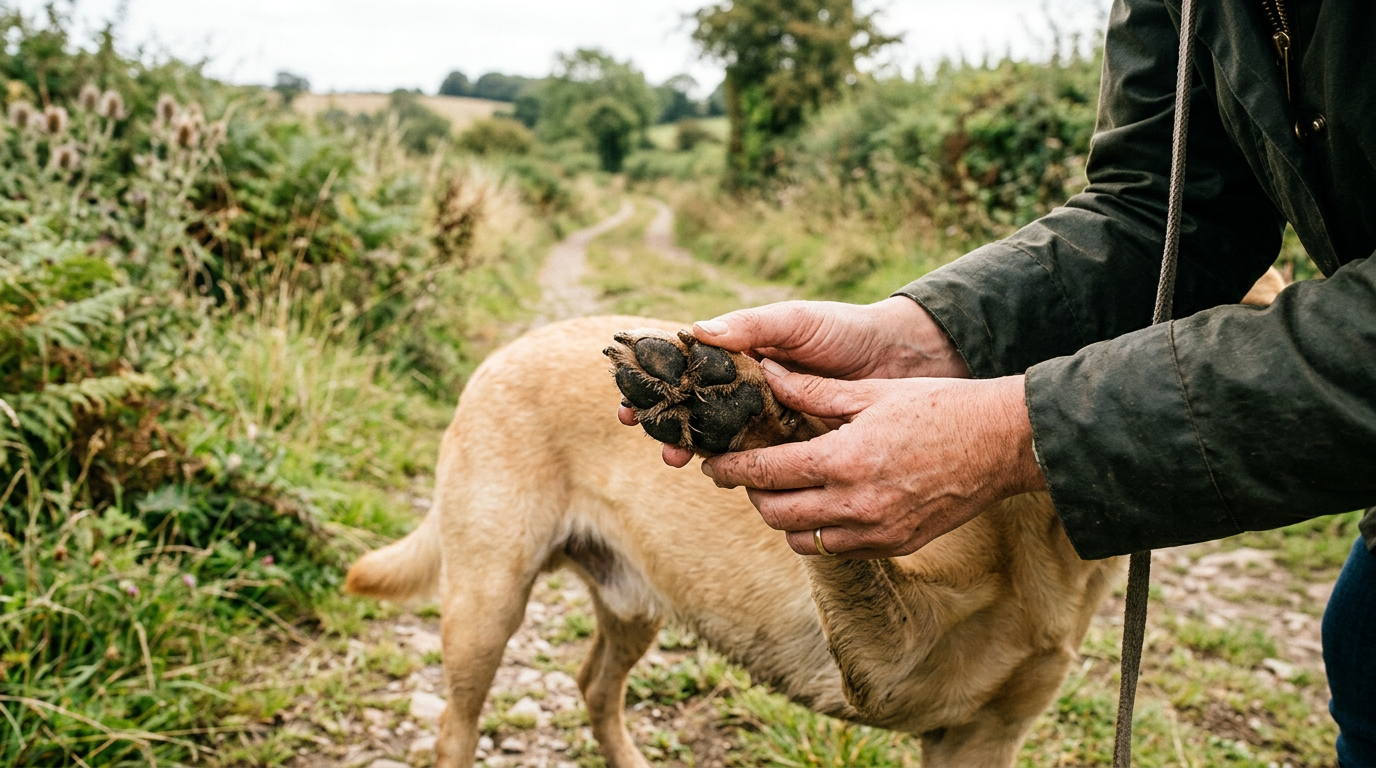
Whatever the breed, life stage matters as much as genetics. Puppies have growing joints and growth plates that can be damaged by too much forced or high-impact exercise; the sensible approach is little and often, with plenty of free play on soft ground rather than long structured runs. A common rule of thumb is a few minutes of formal exercise per month of age, though free pottering and play are different and should not be over-restricted.
At the other end, senior dogs often want to keep adventuring but need adjustments: shorter, gentler outings, softer terrain, a longer warm-up for stiff joints, and patience. Many older dogs stay remarkably active with sympathetic management. The goal at every age is to match the activity to the body you have today, not the one you had — or hope to have — at peak fitness.
It Is the Individual That Counts
Breed gives you a useful starting point, but the dog in front of you always has the final say. Energy levels, confidence, health and personality vary widely within every breed, and a quiet Collie or a sporty Bulldog will happily defy the stereotype. The best exercise partner is not necessarily the highest-energy breed — it is the dog whose needs match the life you can actually offer.
So watch and learn your own dog. Notice what lights them up — water, scent, running, climbing, puzzles — and lean into it. Build fitness gradually, respect their physical limits, keep it varied and fun, and check with your vet if you are ever unsure. Do that, and almost any dog becomes a brilliant companion for a healthier, happier, more active life together.
Key Takeaways
- Working, herding, gundog and northern breeds typically have the highest exercise and mental-stimulation needs.
- Many terriers, poodles and crossbreeds make excellent moderate-energy adventure companions.
- Flat-faced, giant, long-backed and sighthound breeds need activity tailored to their physical limits.
- Match exercise to life stage — protect puppies’ joints and adapt gently for senior dogs.
- Breed is a starting point; always tailor activity to the individual dog’s energy, health and personality.

Adventures With Your Dog
by Steve Charles
Your next great adventure starts here — packed with inspiration for exploring the outdoors together.
Get on AmazonThis article is for general guidance only and is not a substitute for professional veterinary advice. If you are worried about your dog’s health, always consult your vet.