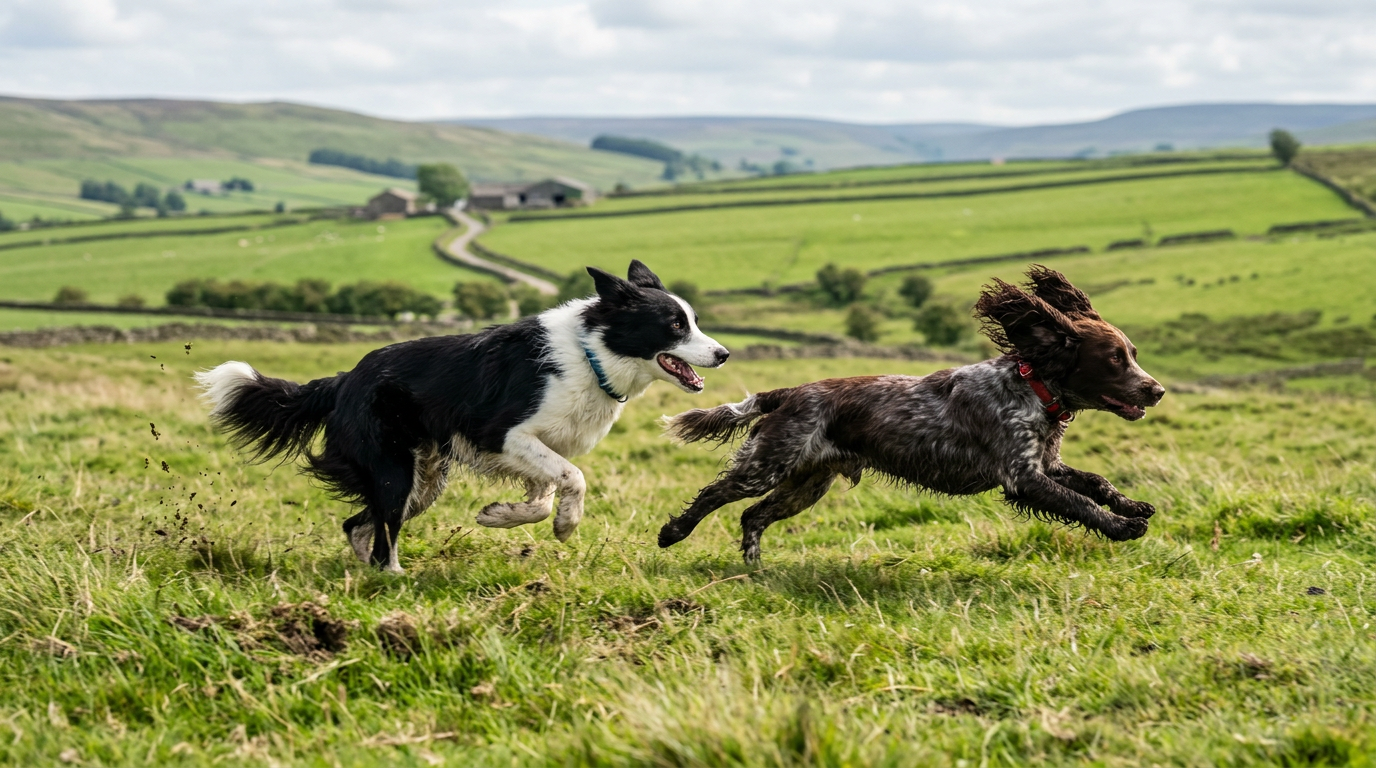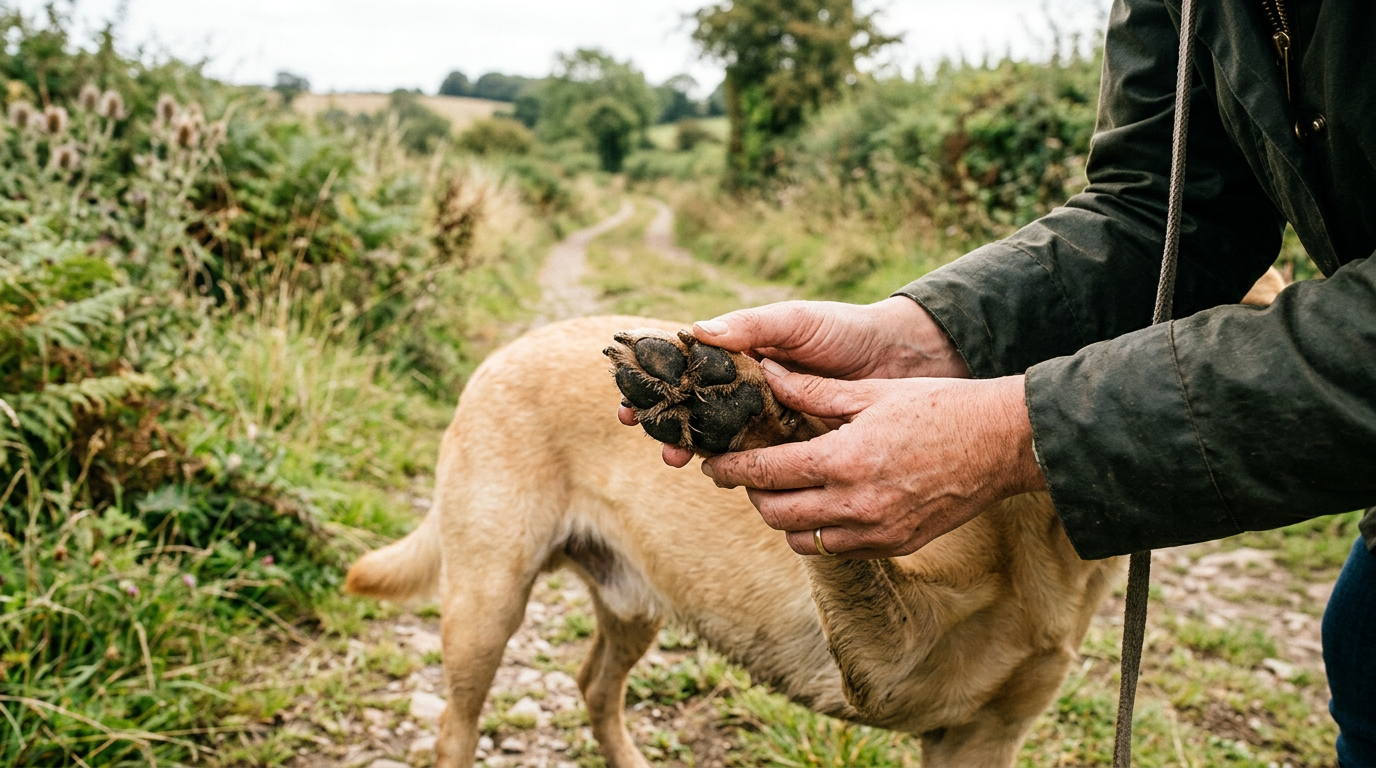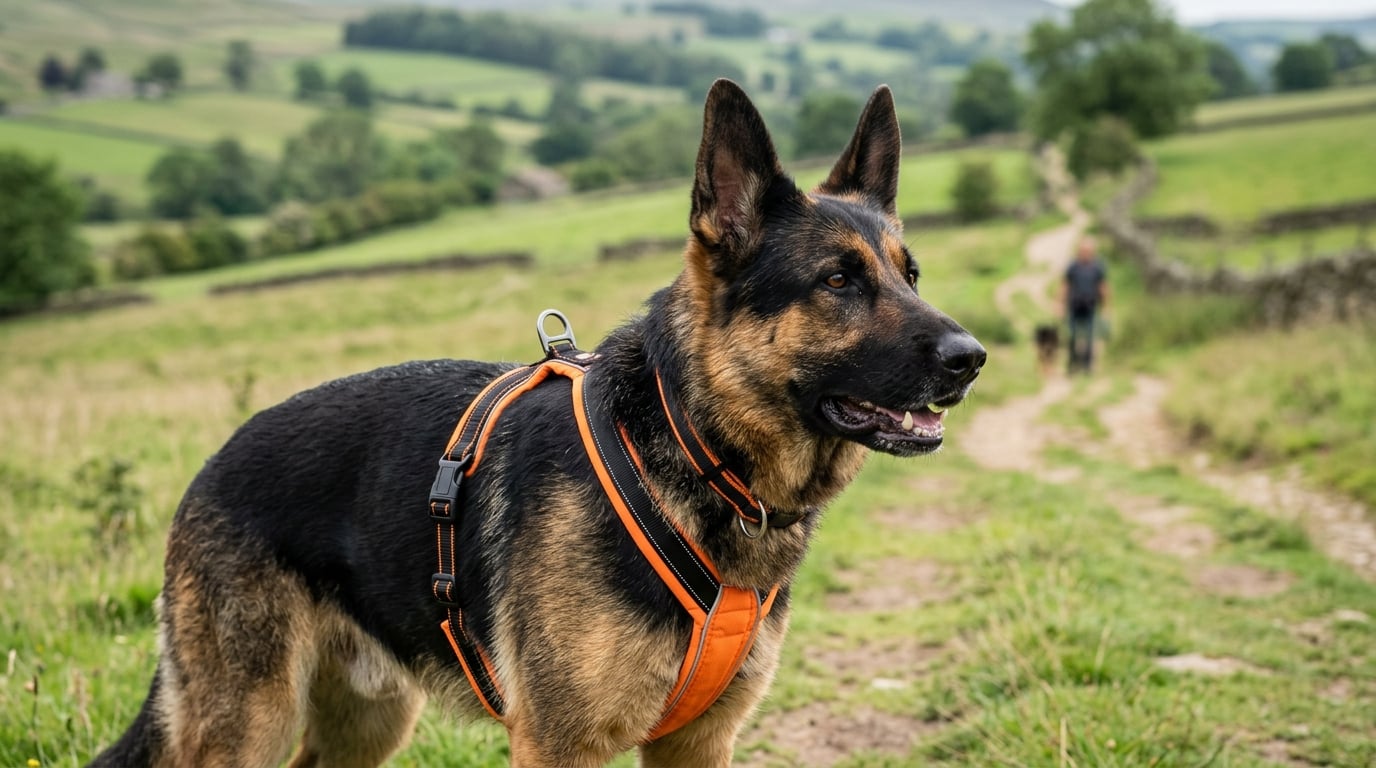
A dog that hikes, runs or swims regularly is, in effect, a canine athlete — and athletes need the right fuel. Getting your active dog’s nutrition and hydration right supports their energy, helps them recover, protects their joints and keeps their weight healthy. It does not require expensive specialist products for most dogs, but it does reward a little thought about what you feed, how much, and crucially, when.
Do Active Dogs Really Need More Food?
Yes — but perhaps less dramatically than you might think, and it depends heavily on the level of activity. A dog doing an hour or two of moderate exercise a day may need only a modest increase over a sedentary dog. A genuine canine athlete — a dog doing long, hard days of canicross, bikejoring or hill walking regularly — can need significantly more calories, sometimes considerably above maintenance during peak season.
The best guide is not a chart but your dog’s body condition. Feel for the ribs and watch the waistline: if your dog is losing condition during a busy adventuring season, increase food gradually; if they are gaining, ease back. Adjust in small steps and reassess every couple of weeks rather than making big sudden changes.
Quality and Balance Matter More Than Brand
Active dogs benefit from a good-quality, complete diet with adequate protein to maintain and repair muscle, and appropriate fat as a dense, sustained energy source. Whatever food you choose, it should be labelled as a complete and balanced diet so you know your dog is getting the full range of nutrients they need.
Beware of over-supplementing. It is easy to assume that a hard-working dog needs a cupboard full of additives, but a balanced complete diet already contains what most dogs require, and piling on extras can do harm as easily as good. Joint supplements such as glucosamine are sometimes recommended for very active or older dogs, but discuss any supplement with your vet rather than adding them on a hunch. If you want to change your dog’s food, do it gradually over a week or so to avoid digestive upset.
Timing: The Bloat Risk You Must Know
When you feed around exercise matters enormously — and not just for energy. Feeding a large meal immediately before or after vigorous activity is associated with bloat (gastric dilatation-volvulus), a sudden, life-threatening emergency in which the stomach fills with gas and can twist. It is most common in large, deep-chested breeds, but every owner of an active dog should take it seriously.
The safe approach is to leave a clear gap between food and exercise. Avoid strenuous activity for a couple of hours after a full meal, and let your dog settle and their breathing return to normal before offering a large meal after exercise. If you need to fuel a long day, small amounts well before you set off and light, easily digestible snacks along the way are far safer than one big bowl. Learn the signs of bloat — a swollen, hard abdomen, unproductive retching, restlessness and distress — and treat it as an immediate emergency.
Hydration on the Move
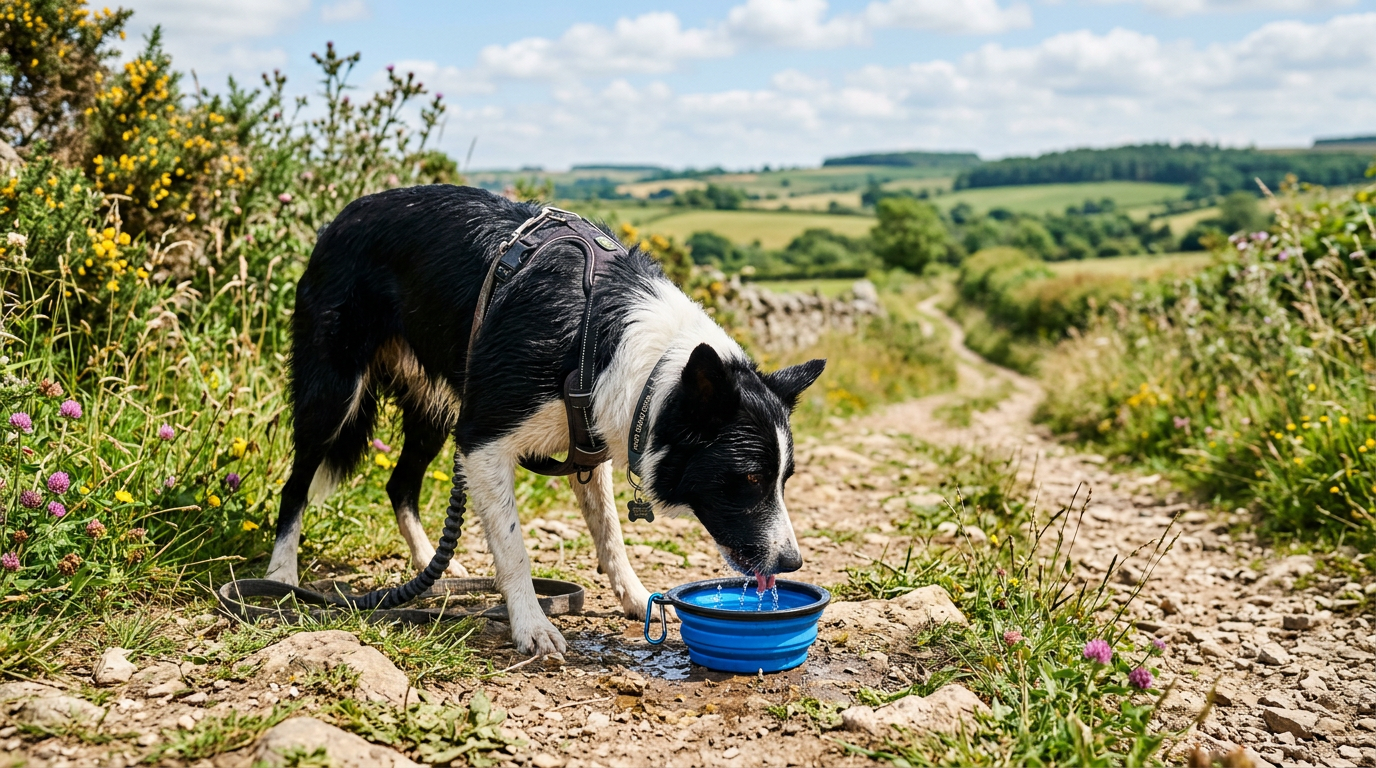
Water is the nutrient dogs need most often and the one most easily overlooked on adventures. Dogs lose fluid rapidly through panting, and even mild dehydration harms performance and, in the heat, contributes to heatstroke. Always carry fresh water and a collapsible bowl, and offer it regularly rather than waiting for your dog to seem thirsty.
Offer small amounts frequently rather than letting a hot dog gulp a huge volume at once. Plan longer routes around reliable water sources, but do not rely on your dog drinking from just any stream or pond — standing water can harbour blue-green algae and other hazards. A useful trick is to add a splash of water to meals, or offer water-rich snacks, to top up fluids. Signs of dehydration include tacky gums, lethargy and loss of skin elasticity.
Treats, Weight and the Long Game
Treats are invaluable for training and motivation, especially in sports, but they add up. As a rule of thumb, treats should make up no more than around a tenth of your dog’s daily calories; if you are using a lot of them for training, reduce the main meal accordingly, or use part of the daily ration as training rewards.
Above all, keep the long game in view. The single most valuable nutritional gift you can give an active dog is a lean, healthy weight throughout their life. Lean dogs live longer, move more comfortably, and suffer far fewer joint problems as they age. Fuel the adventures generously enough to keep energy and condition up, but never so much that the waistline disappears.
Key Takeaways
- Adjust food to activity using body condition — feel the ribs, watch the waist.
- Feed a good-quality complete diet; avoid over-supplementing without vet advice.
- Never exercise hard right after a big meal — bloat is a deadly risk.
- Carry water, offer it in small amounts often, and avoid stagnant natural water.
- Keep treats to about a tenth of daily calories and protect a lean, healthy weight.

Adventures With Your Dog
by Steve Charles
Your next great adventure starts here — packed with inspiration for exploring the outdoors together.
Get on AmazonThis article is for general guidance only and is not a substitute for professional veterinary advice. If you are worried about your dog’s health, always consult your vet.