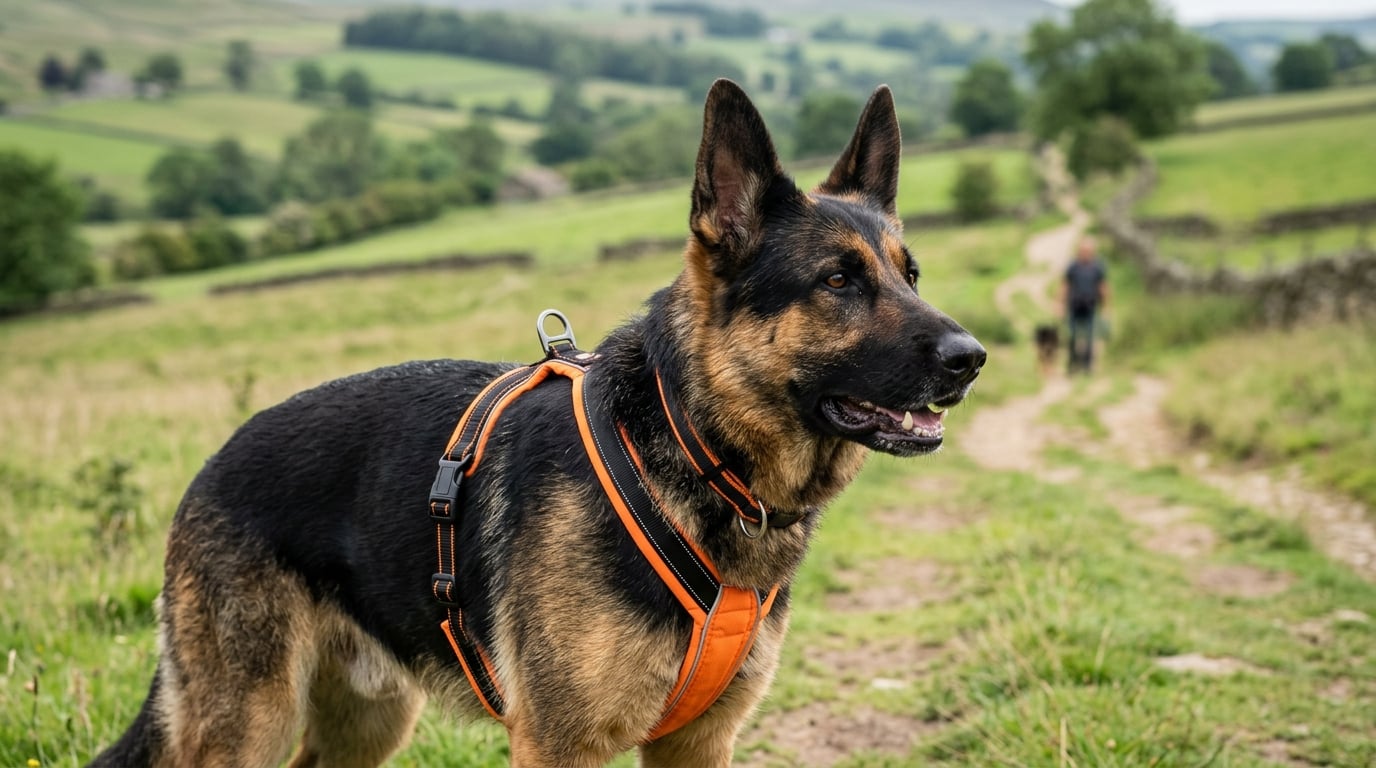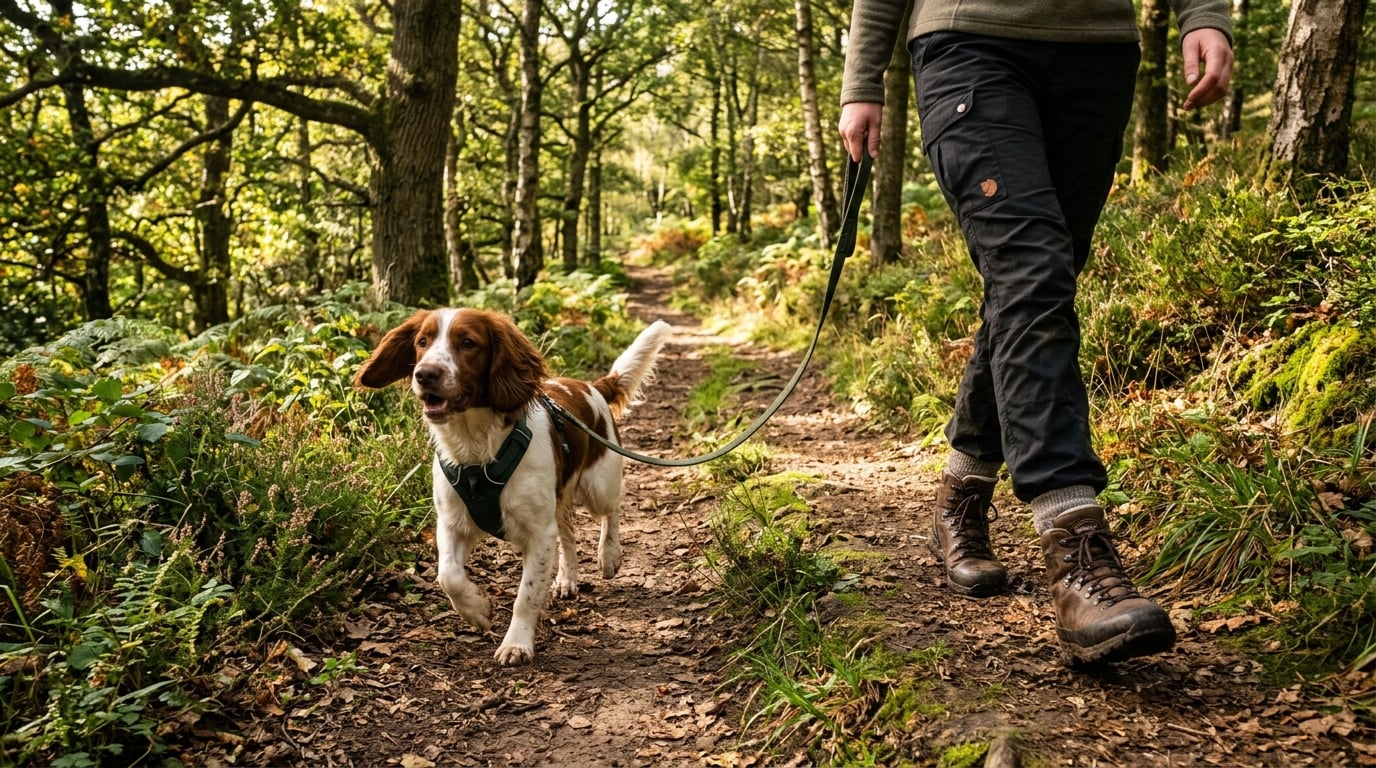
Dogs are far less efficient than we are at shedding heat. They cannot sweat through their skin the way we do — they rely almost entirely on panting and a small amount of sweating through their paw pads. That makes them surprisingly vulnerable to overheating, especially during the exercise and adventures we love to share with them. The good news is that heatstroke is almost entirely preventable once you understand how it develops and what to watch for.
Why Dogs Overheat So Easily
When a dog exercises, its body generates heat just as ours does. But without the ability to sweat effectively, a dog can only cool itself by panting — moving air across the moist surfaces of the mouth and tongue to encourage evaporation. On a warm, humid day, that evaporation becomes far less effective, and heat builds up faster than the dog can shed it.
Certain dogs are at much higher risk. Flat-faced (brachycephalic) breeds such as Bulldogs, Pugs and French Bulldogs have compromised airways that make panting inefficient. Overweight dogs, very young or elderly dogs, dogs with thick double coats, and those with heart or respiratory conditions all struggle more in the heat. If your dog falls into any of these groups, you need to be especially cautious.
Recognising the Early Warning Signs
Heatstroke develops along a spectrum, and catching it early can save your dog’s life. The first signs are often subtle: excessive, frantic panting, a dog that seeks out shade or lies down and refuses to continue, and thick, sticky drool. The tongue and gums may appear bright red.
As the condition worsens, you may see glazed eyes, unsteadiness or wobbling, vomiting or diarrhoea (sometimes with blood), and a rapid heartbeat. In the most severe stage, a dog may collapse, have seizures, or lose consciousness. Never wait for the severe signs to appear — act the moment you notice your dog struggling.
What to Do If You Suspect Heatstroke
Speed matters. Move your dog to shade or a cool, ventilated area immediately and stop all activity. Offer small amounts of cool — not ice-cold — water to drink, but never force it. Begin cooling the body by pouring or spraying cool (again, not freezing) water over the neck, belly, armpits and paws, and use a fan or breeze to aid evaporation.
Crucially, do not use ice or very cold water, which can cause blood vessels to constrict and actually trap heat inside the body. Once you have started cooling, contact your vet without delay — even a dog that appears to recover can suffer delayed organ damage, so a professional assessment is essential.
Smart Prevention on Every Outing
The simplest rule is to exercise during the cooler parts of the day — early morning and late evening — and to avoid strenuous activity when temperatures climb above the low twenties Celsius, especially in humidity. Use the back-of-your-hand test on pavements and sand: if it is too hot for you to hold your hand there for five seconds, it is too hot for your dog’s paws.
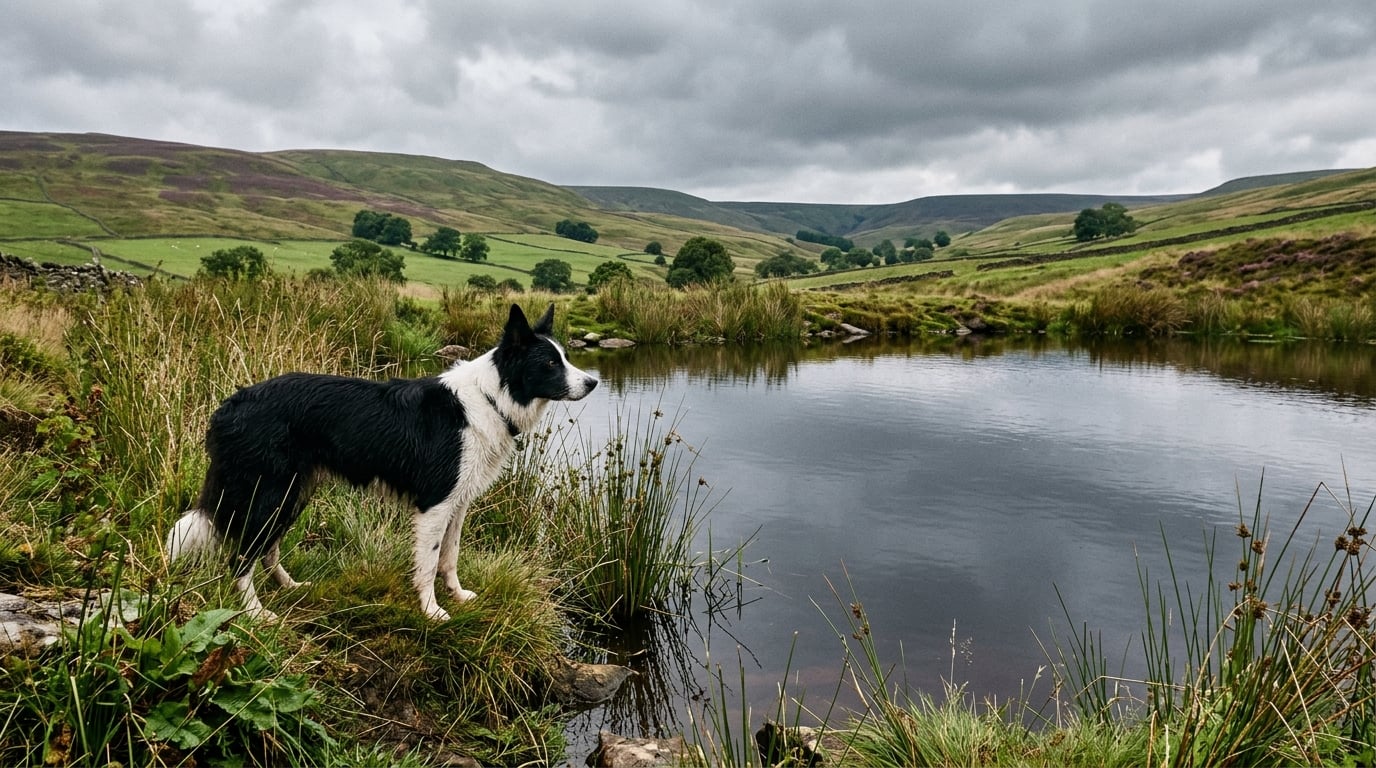
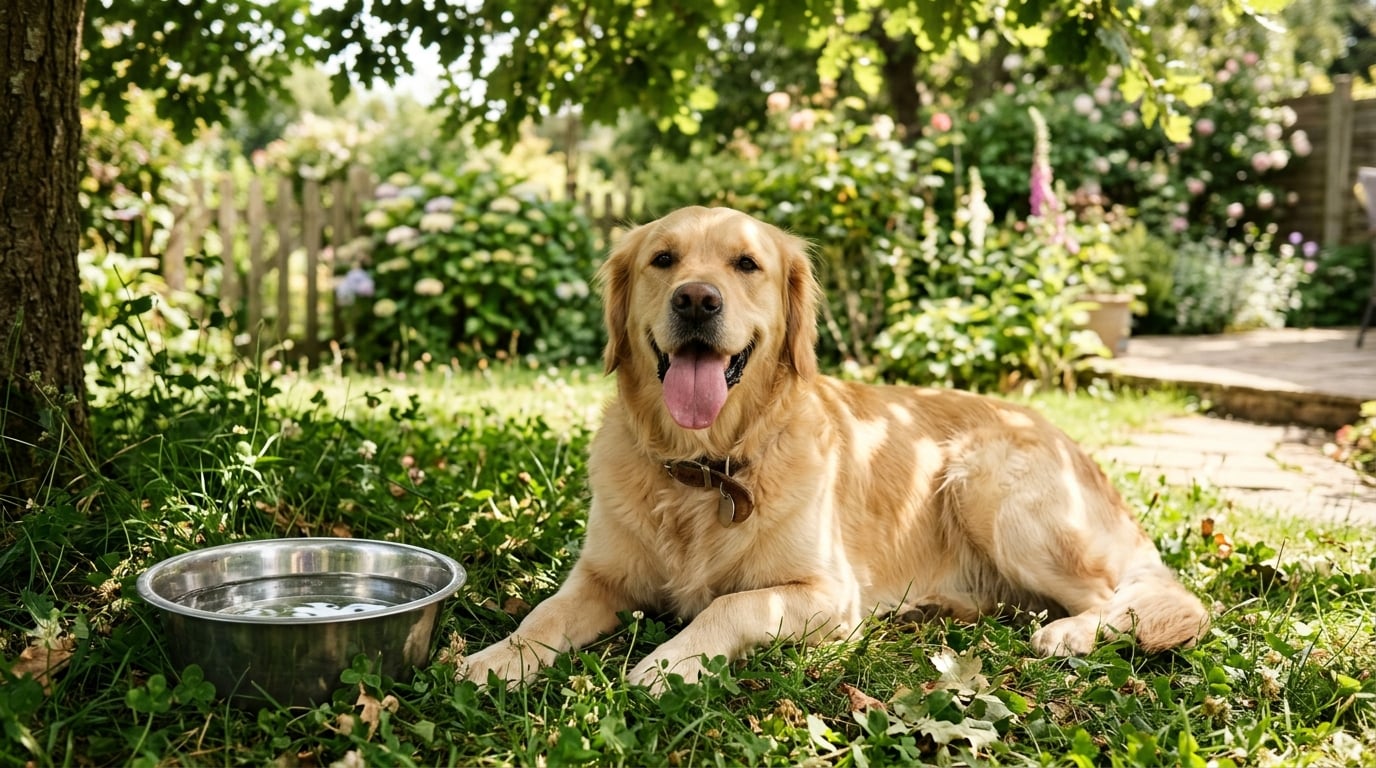
Always carry water and a collapsible bowl, plan routes with shade and access to water, and build in regular rest stops. On longer adventures, a cooling coat or a dip in a safe body of water can make a real difference. Above all, learn to read your individual dog: some will happily run themselves into trouble, so it is your job to call time before they do.
Never, Ever Leave a Dog in a Car
It bears repeating because it still happens every summer: a parked car becomes a lethal oven within minutes, even with the windows cracked and even on a mild day. On a 22°C day the inside of a car can exceed 45°C in under an hour. There is no safe amount of time to leave a dog in a vehicle in warm weather. If you cannot take your dog with you when you leave the car, leave the dog at home.
Key Takeaways
- Dogs cool themselves mainly by panting, which fails in heat and humidity.
- Flat-faced, overweight, young, old and thick-coated dogs are highest risk.
- Early signs include frantic panting, drooling, and refusing to move.
- Cool with cool (not icy) water and call your vet immediately.
- Exercise in the cool of the day and never leave a dog in a car.

Adventures With Your Dog
by Steve Charles
Your next great adventure starts here — packed with inspiration for exploring the outdoors together.
Get on AmazonThis article is for general guidance only and is not a substitute for professional veterinary advice. If you are worried about your dog’s health, always consult your vet.