It is tempting to throw yourself into training the moment a bouncy puppy arrives — but when it comes to high-impact activities like running, jumping and dog sports, patience genuinely protects your dog for the rest of their life. The key to getting the timing right lies in understanding growth plates.
What Are Growth Plates?
Growth plates are soft areas of developing cartilage near the ends of a young dog’s long bones. They are where new bone is produced, allowing the skeleton to lengthen as the puppy grows. Because they are made of cartilage rather than hardened bone, they are soft, flexible and comparatively fragile.
As a dog matures, these plates gradually calcify and “close”, fusing into solid bone. Until that happens, they represent a weak point in the skeleton that can be injured by excessive force, repetitive impact or awkward twisting — exactly the kind of stresses that high-impact exercise can create.
Why Early High-Impact Exercise Is Risky
An injury to an open growth plate can disrupt normal bone development. If part of a plate is damaged, that section may stop growing while the rest continues, leading to uneven, bent or shortened limbs and abnormal joint angles. These deformities can cause pain and arthritis and, once established, are often permanent.
Repetitive concussion — such as jumping down from heights, sustained running on hard surfaces, or the sharp turns involved in some sports — places particular strain on these vulnerable areas. This is why responsible sport organisations set minimum age limits before dogs are allowed to compete or train at full intensity.
When Do Growth Plates Close?
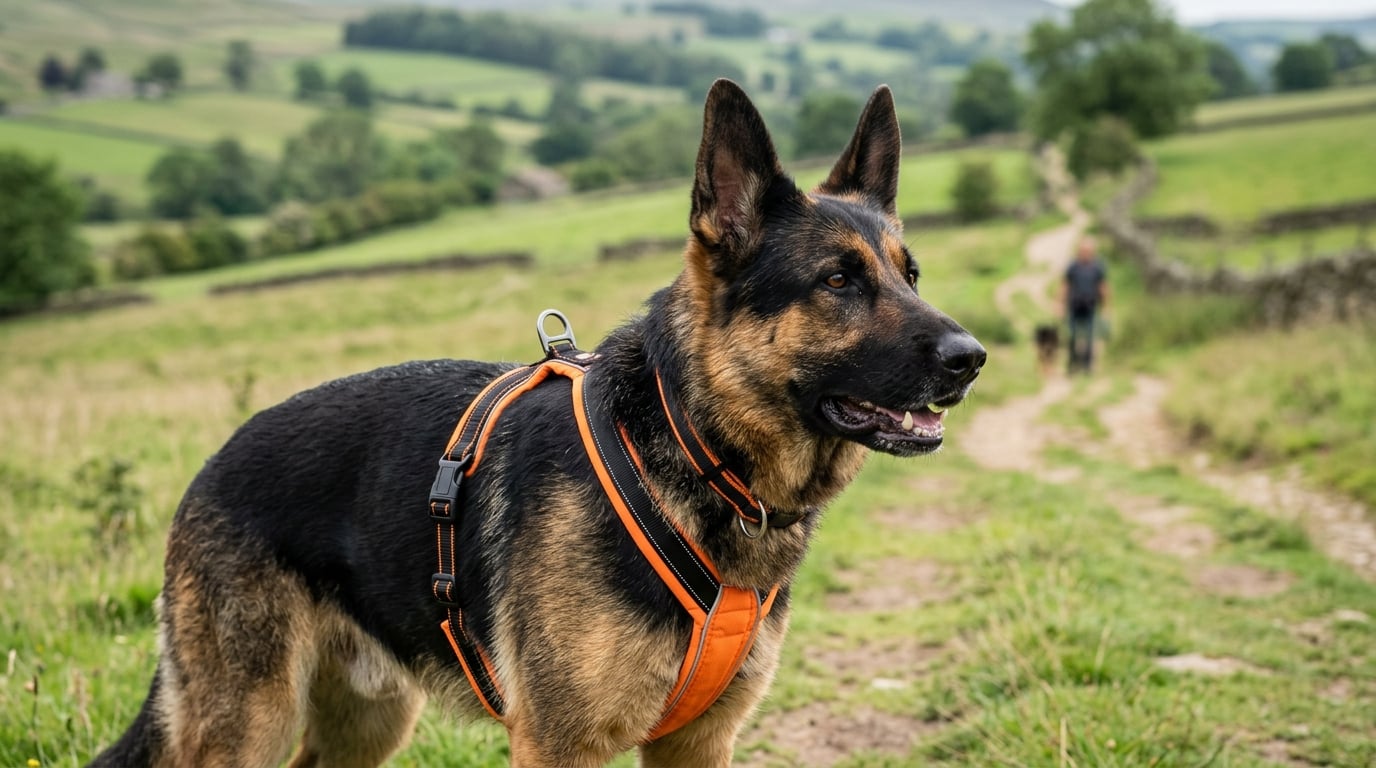
As a general guide, growth plates finish closing at around 12 to 18 months of age, but this varies significantly with size and breed. Small breeds tend to mature earlier, often by around 12 months, while large and giant breeds may not be fully developed until 18 to 24 months.
Because the timing is so variable, the safest approach for high-impact sports is to ask your vet to confirm skeletal maturity, sometimes with an X-ray, before you begin. Never rely on size or apparent confidence alone — a large, energetic adolescent can look grown up long before their skeleton actually is.
What Puppies Can Do Safely
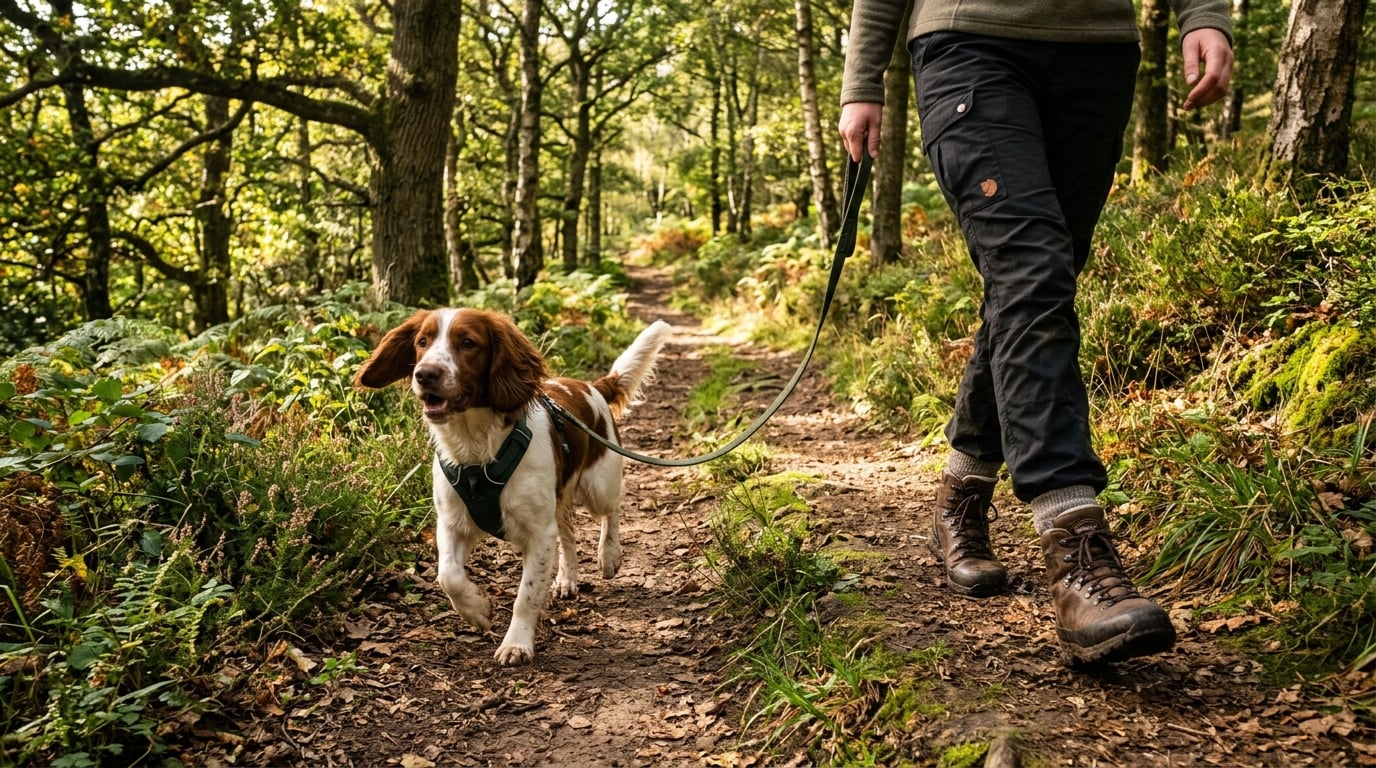
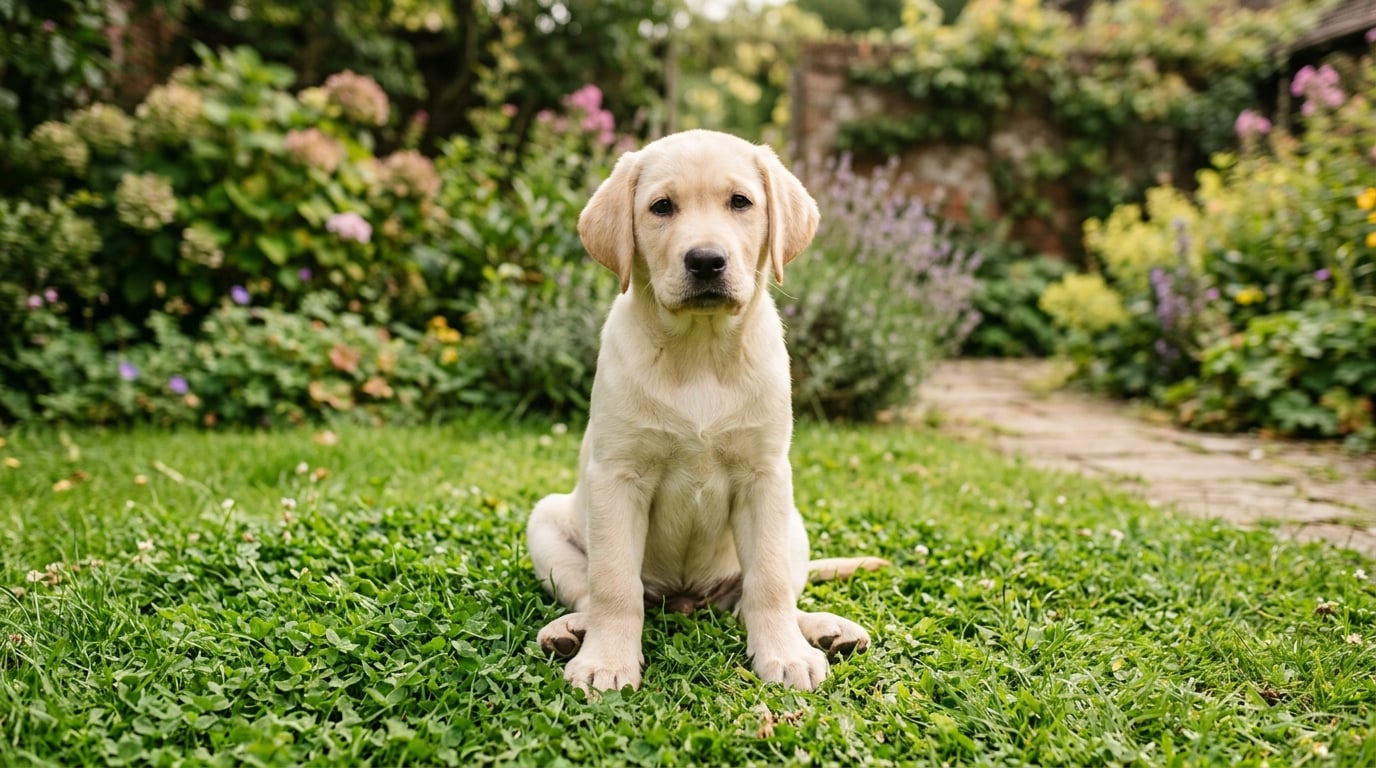
Waiting for maturity does not mean doing nothing. Free play on soft, forgiving surfaces where the puppy sets its own pace is excellent, as is gentle, controlled lead walking, socialisation, and plenty of mental enrichment. A common rule of thumb for structured lead walks is around five minutes per month of age, once or twice a day — so a four-month-old puppy might manage two twenty-minute walks.
You can also lay brilliant foundations for future sports through low-impact skill work: teaching focus, recall, body awareness and basic obedience, and introducing equipment at ground level. This builds the partnership and the vocabulary you will need later, without ever loading immature joints.
Easing Into Full Activity
Once your vet confirms your dog is skeletally mature, build up intensity gradually rather than going from nothing to everything overnight. Muscles, tendons and cardiovascular fitness all need time to develop, and a sudden spike in activity risks soft-tissue injury even in a fully grown dog.
Warm up before and cool down after exercise, choose forgiving surfaces where you can, and keep an eye out for any stiffness or reluctance the following day. Build a healthy adult athlete slowly and you will be rewarded with many more active years together.
Key Takeaways
- Growth plates are soft cartilage that hardens as a dog matures.
- Injuring them early can cause permanent joint and limb deformities.
- Plates typically close between 12 and 24 months, depending on size.
- Ask your vet to confirm maturity before starting high-impact sports.
- Puppies thrive on gentle walks, free play and low-impact skill work.

Adventures With Your Dog
by Steve Charles
Your next great adventure starts here — packed with inspiration for exploring the outdoors together.
Get on AmazonThis article is for general guidance only and is not a substitute for professional veterinary advice. If you are worried about your dog’s health, always consult your vet.